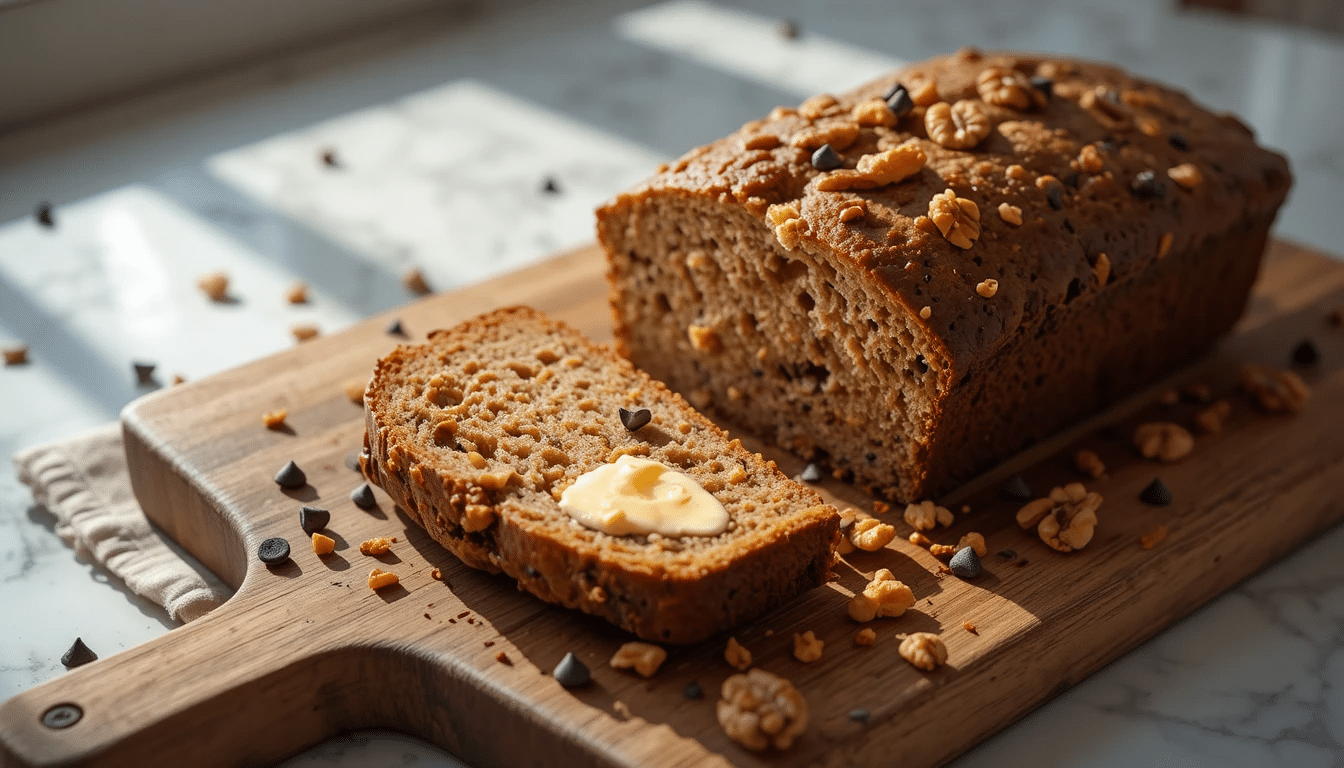
Vegan Banana Bread – Moist, Sweet & Perfectly Simple
Introduction
There’s something deeply comforting about the aroma of fresh vegan banana bread wafting through your kitchen. That sweet, caramelized banana scent mixed with warm spices creates an irresistible invitation to slice into a loaf that’s golden on the outside and impossibly moist on the inside. This vegan banana bread recipe delivers everything you love about traditional banana bread – the tender crumb, the natural sweetness, the perfect balance of flavor – without any eggs or dairy. It’s so delicious that even non-vegans won’t believe it’s plant-based.
What makes this recipe truly special is its foolproof simplicity and incredible versatility. Using overripe bananas (those brown-spotted ones you’d otherwise toss), basic pantry staples, and just one bowl, you can create bakery-quality banana bread in about an hour. The naturally sweet bananas eliminate the need for excessive sugar, while their high moisture content ensures every slice is soft and tender. Whether you enjoy it warm from the oven with vegan butter, toasted for breakfast, or as an afternoon snack with coffee, this vegan banana bread is pure comfort in every bite.
The beauty of this recipe lies in its adaptability. Add chocolate chips for indulgence, fold in walnuts for crunch, swirl in peanut butter for richness, or keep it classic and simple. This vegan banana bread works beautifully for breakfast, snacks, dessert, or even as a thoughtful homemade gift. Best of all, it comes together so easily that you’ll find yourself making it whenever those bananas on your counter start looking a little too ripe.
Cultural Background and Context
Banana bread holds a special place in American baking history, emerging as a popular household recipe during the Great Depression of the 1930s. As resourceful home cooks sought ways to avoid wasting food, overripe bananas – which were becoming more available due to improved transportation – found new purpose in quick bread recipes. The rise of baking powder and baking soda as common household leavening agents made it possible to create tender, cake-like breads without yeast, and banana bread quickly became a beloved staple. Published recipes began appearing in cookbooks in the 1930s, and by the 1950s, banana bread was firmly established as an American classic.
The tradition of banana bread represents the ingenuity of home bakers who transformed an ingredient past its prime into something delicious and comforting. This “waste not, want not” philosophy resonates even more today as we become increasingly conscious of food waste. Traditional banana bread relied heavily on eggs and butter for structure and richness, but modern vegan adaptations prove these animal products aren’t necessary for creating the perfect loaf. The natural pectin and starches in bananas provide excellent binding properties, while plant-based oils and non-dairy milk create the tender crumb we all love.
Health Benefits
Natural Energy Source: Bananas are packed with natural sugars and complex carbohydrates that provide sustained energy throughout your day. Unlike refined sugar, the natural sweetness in bananas comes with fiber that helps stabilize blood sugar levels, preventing energy crashes. One slice of vegan banana bread delivers approximately 25-30 grams of carbohydrates, making it an excellent pre-workout snack or breakfast option that fuels your morning activities.
Potassium Powerhouse: Each serving of vegan banana bread contains significant amounts of potassium, an essential mineral that supports heart health, regulates blood pressure, and aids muscle function. Bananas are one of nature’s best potassium sources, and baking them into bread concentrates these benefits. Just one slice can provide up to 200mg of potassium, contributing to your daily recommended intake of 3,500-4,700mg.
Digestive Health Support: The ripe bananas in this recipe contain resistant starch and pectin, both of which act as prebiotics to feed beneficial gut bacteria. This supports healthy digestion, regular bowel movements, and overall gut health. The fiber content (approximately 2-3g per slice) also promotes satiety, helping you feel fuller longer and supporting healthy weight management.
Heart-Healthy Fats: When made with plant-based oils like coconut or vegetable oil, vegan banana bread provides healthy unsaturated fats that support cardiovascular health. Unlike butter-based recipes high in saturated fat and cholesterol, this vegan version is cholesterol-free and contains fats that can actually help lower LDL (bad) cholesterol levels when consumed as part of a balanced diet.
Antioxidant Rich: Bananas contain several types of powerful antioxidants, including dopamine and catechins, which help reduce oxidative stress and inflammation in the body. These antioxidants protect your cells from damage caused by free radicals, potentially reducing the risk of chronic diseases. Adding ingredients like walnuts or dark chocolate chips further boosts the antioxidant content.
Mood-Boosting Properties: Bananas contain tryptophan, an amino acid that your body converts to serotonin – the “feel-good” neurotransmitter that helps regulate mood, sleep, and appetite. Combined with the complex carbohydrates in the bread, which help tryptophan reach your brain more effectively, this vegan banana bread can genuinely improve your mood and promote feelings of calm and happiness.
Vitamin and Mineral Content: Beyond potassium, vegan banana bread provides B vitamins (especially B6), vitamin C, manganese, and magnesium. Vitamin B6 supports brain health and helps create neurotransmitters, while magnesium is essential for over 300 enzymatic reactions in your body. If you add nuts, you’ll also benefit from vitamin E, additional B vitamins, and minerals like zinc and selenium.
Calorie Information: One slice of vegan banana bread (based on 12 slices per loaf) contains approximately 180-220 calories, depending on add-ins. This makes it a moderate-calorie treat that can fit into most eating plans. The combination of natural sugars, fiber, and healthy fats creates a satisfying snack that provides lasting energy without the empty calories found in many baked goods.
Ingredients
For the Vegan Banana Bread (Makes 1 loaf, 10-12 slices):
Wet Ingredients:
- 3 large ripe bananas (about 1½ cups mashed, or 350g)
- ⅓ cup (80ml) melted coconut oil or vegetable oil
- ½ cup (100g) coconut sugar or brown sugar
- ¼ cup (60ml) unsweetened plant-based milk (almond, soy, or oat)
- 1 tablespoon ground flaxseed mixed with 3 tablespoons water (flax egg)
- 1 teaspoon vanilla extract
- 1 teaspoon apple cider vinegar
Dry Ingredients:
- 1¾ cups (220g) all-purpose flour
- 1 teaspoon baking soda
- ½ teaspoon baking powder
- ½ teaspoon ground cinnamon
- ¼ teaspoon salt
- ¼ teaspoon ground nutmeg (optional)
For Optional Mix-Ins:
- ½ cup (90g) vegan chocolate chips
- ½ cup (60g) chopped walnuts or pecans
- ⅓ cup (50g) dried cranberries or raisins
- 2 tablespoons cocoa powder (for chocolate banana bread)
For Topping:
- 1 banana, sliced lengthwise (optional, for decoration)
- 2 tablespoons coconut sugar or turbinado sugar (for crunchy top)
- Extra chocolate chips or nuts for sprinkling
For Serving:
- Vegan butter or coconut oil
- Almond butter or peanut butter
- Fresh berries
- Coconut whipped cream
- Pure maple syrup drizzle
Instructions
Step 1: Prepare Your Flax Egg and Preheat
Begin by combining 1 tablespoon of ground flaxseed with 3 tablespoons of water in a small bowl. Stir well and set aside for 5-10 minutes to thicken and gel. This flax egg will bind your vegan banana bread just like a chicken egg would in traditional recipes. While the flax egg sets, preheat your oven to 350°F (175°C) and position the rack in the center. Grease a 9×5-inch (23x13cm) loaf pan with oil or line it with parchment paper, leaving an overhang on the sides for easy removal. Proper preparation now ensures your banana bread releases perfectly later.
Step 2: Mash Your Bananas Perfectly
Select bananas that are very ripe – the peels should be heavily spotted with brown or even completely brown. The riper the banana, the sweeter and more flavorful your bread will be. Peel the bananas and place them in a large mixing bowl. Using a fork or potato masher, mash the bananas until mostly smooth with just a few small lumps remaining. You want about 1½ cups of mashed banana. Those small lumps will create pockets of concentrated banana flavor throughout your bread, so don’t worry about making it completely smooth. The texture should resemble chunky applesauce.
Step 3: Mix Your Wet Ingredients
To your mashed bananas, add the melted coconut oil (make sure it’s just warm, not hot, or it could cook the flax egg), coconut sugar, plant-based milk, prepared flax egg, vanilla extract, and apple cider vinegar. Whisk these ingredients together vigorously for about 30 seconds until the mixture is well combined and slightly frothy. The vinegar will react with the baking soda later to create lift and tenderness. This wet mixture should smell sweet and inviting with prominent banana aroma. The sugar doesn’t need to dissolve completely at this stage.
Step 4: Combine Dry Ingredients
In a separate medium bowl, whisk together the flour, baking soda, baking powder, cinnamon, salt, and nutmeg if using. Whisk thoroughly for at least 20 seconds to ensure the leavening agents are evenly distributed throughout the flour. This step is crucial because it prevents pockets of baking soda or powder that could create an uneven rise or leave bitter spots in your finished bread. The cinnamon should be visible as tiny brown flecks throughout the white flour. Breaking up any lumps now will result in a smoother batter.
Step 5: Gently Fold Wet and Dry Together
Create a well in the center of your banana mixture and add all of the dry ingredients at once. Using a rubber spatula or wooden spoon (not an electric mixer), gently fold the ingredients together using broad, sweeping motions. Fold from the bottom of the bowl upward, rotating the bowl as you go. Mix only until you no longer see dry flour streaks – this should take about 15-20 gentle folds. The batter will be thick and lumpy, which is exactly what you want. Overmixing develops gluten, which creates tough, dense banana bread instead of the tender crumb we’re after.
Step 6: Add Your Mix-Ins
If you’re including chocolate chips, nuts, or dried fruit, now is the time to fold them in. Reserve about 2 tablespoons of your mix-ins to sprinkle on top of the batter for a beautiful presentation. Fold the remaining mix-ins into the batter with just 3-4 gentle strokes, distributing them throughout but not overmixing. The mix-ins should be suspended throughout the batter rather than sinking to the bottom. If your batter seems too thick, this is normal – the thick consistency helps hold mix-ins in place during baking.
Step 7: Transfer to Pan and Decorate
Pour your batter into the prepared loaf pan, using your spatula to scrape every last bit from the bowl. Smooth the top gently with the back of your spatula, creating an even surface. If desired, press your reserved chocolate chips or nuts into the top, and/or place a banana sliced lengthwise on top of the batter. Sprinkle with turbinado sugar for a delightfully crunchy crown. These decorative touches aren’t just pretty – they add textural contrast and visual appeal that makes your homemade banana bread look bakery-professional.
Step 8: Bake to Golden Perfection
Place the loaf pan in the center of your preheated oven and bake for 50-65 minutes. The exact time depends on your oven and the moisture content of your bananas. Start checking at 50 minutes by inserting a toothpick or thin knife into the center of the loaf. It should come out clean or with just a few moist crumbs attached (but no wet batter). The top should be deep golden brown, and the edges should pull away slightly from the pan. If the top is browning too quickly but the center isn’t done, tent loosely with aluminum foil for the final 10-15 minutes.
Step 9: Cool Properly
This is the hardest step because your kitchen will smell incredible and you’ll be tempted to slice immediately – resist! Remove the bread from the oven and place the pan on a wire cooling rack. Let it cool in the pan for 15 minutes. This resting period allows the structure to set, preventing the bread from crumbling when you remove it. After 15 minutes, use the parchment paper overhang (if you used it) to lift the bread out, or run a knife around the edges and invert onto the rack. Let cool for at least 30 more minutes before slicing for the best texture.
Step 10: Slice and Serve
Once your vegan banana bread has cooled sufficiently, use a serrated bread knife to slice it into 10-12 pieces, about 1 inch thick. Use a gentle sawing motion rather than pressing down, which can compress the tender crumb. The first slice often crumbles a bit – that’s normal and actually makes a great baker’s treat! Serve the slices as is, toasted with vegan butter melting into the warm bread, spread with nut butter for extra protein, or topped with fresh berries. Store remaining slices properly to maintain freshness (see storage section below).
Ingredient Deep Dive
The star ingredient in vegan banana bread is, of course, the bananas themselves. The ripeness of your bananas dramatically impacts the final result. Very ripe bananas (with brown spots covering most of the peel) contain more converted sugars, making them sweeter and more flavorful. They’re also softer and easier to mash, incorporating more smoothly into your batter. Underripe or just-ripe bananas won’t provide enough natural sweetness or moisture, resulting in bland, dry bread. If your bananas aren’t ripe enough, you can speed the process by placing them in a paper bag with an apple or avocado for 24 hours, or roast them in their peels at 300°F (150°C) for 15-20 minutes until the peels are completely black.
The choice of oil significantly affects both flavor and texture. Melted coconut oil (refined for neutral flavor, or unrefined for subtle coconut taste) creates incredibly moist banana bread with a tender crumb. It solidifies slightly as it cools, giving the bread structure. Vegetable oil or canola oil produces slightly lighter, more cake-like bread with a soft crumb that stays moist for days. Avocado oil is a premium option that adds healthy fats and a neutral flavor. For oil-free banana bread, you can substitute unsweetened applesauce or additional mashed banana, though the texture will be denser and less rich. Each fat option creates a slightly different result, so experiment to find your preference.
The flax egg serves multiple purposes beyond simple binding. It adds omega-3 fatty acids, fiber, and a subtle nutty flavor that complements the bananas beautifully. If you don’t have flaxseed, you can substitute chia seeds (1 tablespoon chia + 3 tablespoons water) for similar results, though the texture will be slightly different. Commercial egg replacers like Bob’s Red Mill Egg Replacer also work well following package directions. Some bakers successfully use ¼ cup applesauce or mashed banana as the binder, though this adds more moisture and requires slight flour adjustments. The flax egg method is preferred for its nutritional benefits and reliable results.
Customization Options
Chocolate Lover’s Variations
Transform your vegan banana bread into a chocolate lover’s dream with several delicious adaptations. For double chocolate banana bread, add 3 tablespoons of cocoa powder to the dry ingredients and fold in ½ cup of vegan chocolate chips. The cocoa creates a rich, fudgy bread that’s almost brownie-like. For a chocolate swirl effect, reserve ⅓ of your plain batter, mix 2 tablespoons cocoa powder into it, then alternate spoonfuls of plain and chocolate batter in the pan. Use a knife to swirl them together for a marbled effect. You can also stuff the center with chocolate by pouring half the batter into the pan, adding a row of chocolate chips down the middle, then covering with remaining batter for a molten chocolate center.
Nut and Seed Options
Walnuts are the classic choice for banana bread, providing omega-3s, protein, and satisfying crunch. Toast them first at 350°F for 5-7 minutes to intensify their flavor and make them extra crispy. Pecans offer a buttery, sweet flavor that pairs beautifully with bananas. For nut-free versions, try sunflower seeds or pumpkin seeds (pepitas), which add similar crunch and nutrition without allergens. You can also create a nut butter swirl by dropping spoonfuls of almond or peanut butter onto the batter and swirling with a knife. This creates pockets of creamy, protein-rich deliciousness throughout the bread. Tahini (sesame paste) offers another nut-free option with incredible depth of flavor.
Serving Suggestions
Vegan banana bread shines at any time of day and in numerous serving styles. For breakfast, toast thick slices and spread with vegan butter or coconut oil, allowing it to melt into the warm bread. Top with sliced bananas, a drizzle of maple syrup, and a sprinkle of cinnamon for an indulgent morning treat. Spread with almond or peanut butter for added protein that keeps you satisfied until lunch. Create banana bread French toast by dipping slices in a mixture of mashed banana, plant milk, cinnamon, and a pinch of turmeric, then pan-frying until golden for an extra-special brunch dish.
As an afternoon snack or dessert, serve room-temperature slices with fresh berries and coconut whipped cream for an elegant presentation. Pair with hot coffee, chai tea, or golden milk for the perfect afternoon pick-me-up. For a truly decadent dessert, warm a slice in the microwave for 15-20 seconds, top with a scoop of vegan vanilla ice cream, drizzle with chocolate or caramel sauce, and sprinkle with chopped nuts. You can also cube banana bread and layer it in parfait glasses with vegan yogurt, berries, and granola for a beautiful breakfast or dessert parfait. Beverage pairings include coffee (especially cold brew or latte), black tea, herbal tea, or even a glass of plant milk. For entertaining, arrange sliced banana bread on a platter with various spreads (nut butters, fruit jams, vegan cream cheese) for a DIY toast bar that guests love.
Variations
While classic vegan banana bread is perfection on its own, endless variations keep this recipe exciting. For tropical banana bread, add ½ cup shredded coconut and ⅓ cup chopped macadamia nuts, plus substitute coconut milk for the plant milk. This creates island-inspired flavors perfect for summer. Create pumpkin banana bread by replacing one banana with ½ cup pumpkin puree and adding pumpkin pie spice instead of cinnamon. This fall-flavored variation is incredibly moist and works beautifully for Thanksgiving.
For protein-packed banana bread, reduce the flour by ¼ cup and add ¼ cup vanilla protein powder (plant-based), plus fold in ½ cup chopped nuts. This creates a post-workout snack that’s both delicious and functional. Make blueberry banana bread by folding in 1 cup fresh or frozen blueberries (tossed with 1 tablespoon flour to prevent sinking). The berries burst during baking, creating pockets of sweet-tart flavor. Espresso banana bread adds 1 tablespoon instant espresso powder to the dry ingredients for a coffee-shop worthy treat. For glazed banana bread, whisk together 1 cup powdered sugar with 2-3 tablespoons plant milk and vanilla, then drizzle over cooled bread for a sweet, bakery-style finish.
Storage and Meal Prep
Proper storage keeps your vegan banana bread fresh and delicious for days. Once completely cooled, wrap the bread tightly in plastic wrap or aluminum foil, or place in an airtight container. Stored at room temperature, it will stay moist and fresh for 3-4 days. For extended storage, refrigerate wrapped banana bread for up to 1 week. Note that refrigeration can dry out baked goods slightly, so you may want to toast slices before eating. The cold also allows the flavors to meld and develop, often making day-three banana bread taste even better than day one.
For long-term storage, vegan banana bread freezes beautifully for up to 3 months. Wrap the entire loaf tightly in plastic wrap, then again in aluminum foil, or place in a freezer-safe bag. For easier portioning, slice the bread first, then freeze individual slices separated by parchment paper. This allows you to remove just what you need without thawing the entire loaf. To thaw, leave wrapped banana bread at room temperature for 2-3 hours, or thaw individual slices for 30-45 minutes. You can also toast frozen slices directly from the freezer – just add an extra minute to the toasting time. For meal prep, bake banana bread on Sunday and slice it for grab-and-go breakfasts or snacks throughout the week. Wrap individual slices in parchment or plastic wrap for easy transport.
Common Mistakes to Avoid
Using Underripe Bananas: The most common mistake is using bananas that aren’t ripe enough. They should be heavily spotted or completely brown for optimal sweetness and moisture. Underripe bananas create dry, bland bread that needs excessive added sugar. If you’re in a hurry, roast bananas in their peels until black rather than using yellow bananas.
Overmixing the Batter: Vigorously stirring or using an electric mixer develops too much gluten, resulting in tough, dense bread with a rubbery texture and tunnels throughout. Mix gently with a spatula just until the flour disappears. A few lumps are fine and actually preferable.
Not Measuring Flour Correctly: Scooping flour directly from the bag compacts it, leading to too much flour and dry, dense banana bread. Always fluff flour first, then spoon it into your measuring cup and level it off with a knife. Better yet, weigh flour using a kitchen scale for perfect results every time.
Opening the Oven Too Early: Resist the temptation to check your bread before the 45-minute mark. Opening the oven releases heat and can cause the bread to sink in the middle. Use your oven light to peek instead, and only open the door to test doneness after 50 minutes.
Slicing Too Soon: Cutting into hot banana bread causes it to crumble and fall apart. The structure needs time to set as it cools. Wait at least 30 minutes (ideally 1 hour) after removing from the oven. The wait is worth it for clean, beautiful slices.
Wrong Pan Size: Using a pan that’s too large spreads the batter thin, creating dry, over-baked bread. A pan that’s too small causes overflow and underbaked centers. Stick with a standard 9×5-inch loaf pan for best results. If you only have an 8×4-inch pan, reduce baking time by 10-15 minutes.
Skipping the Parchment Paper: While greasing works, parchment paper with overhang makes removing the bread foolproof. Without it, banana bread often sticks and breaks when you try to remove it, especially along the bottom corners of the pan.
Shopping Guide
Most ingredients for vegan banana bread are pantry staples available at any grocery store. For the best results, choose organic all-purpose flour or unbleached flour from brands like King Arthur, Bob’s Red Mill, or your store brand. The bananas are typically the least expensive ingredient – look for deeply discounted overripe bananas in the produce section, often sold in marked-down bags specifically for baking.
For specialty items like flaxseed, check the baking aisle or natural foods section. Bob’s Red Mill ground flaxseed is widely available and consistently fresh. Buy ground rather than whole for immediate use, or grind whole seeds yourself in a coffee grinder just before using for maximum freshness and omega-3 content. Store ground flaxseed in the refrigerator or freezer to prevent rancidity.
Coconut sugar can be found in the natural foods section or baking aisle. Brands like Madhava, Wholesome, and Nutiva offer organic options. If unavailable, brown sugar or regular white sugar work perfectly fine as substitutes. For coconut oil, refined versions have no coconut flavor (use for neutral taste), while unrefined or virgin coconut oil adds a subtle coconut note. Choose based on your preference.
Plant-based milk should be unsweetened and unflavored for this recipe. Soy milk creates the most structure due to its protein content, while oat milk adds subtle sweetness and almond milk keeps things light. Buy whatever you normally use or is on sale. For mix-ins, choose vegan chocolate chips from Enjoy Life (allergen-free), Lily’s (stevia-sweetened), or store brands – just verify they’re dairy-free. Nuts can be purchased from the baking aisle or bulk section for better prices.
Nutritional Information (Per Serving)
- Prep Time: 15 minutes
- Cook Time: 55 minutes
- Total Time: 70 minutes (plus cooling time)
- Servings: 12 slices
- Calories: 195 kcal per slice
- Protein: 3g
- Carbohydrates: 32g
- Fat: 7g
- Fiber: 2g
- Sugar: 14g (naturally occurring)
- Sodium: 180mg
- Potassium: 200mg