Best Vegan Breakfast Burrito Recipe (20g Protein!)
Table of Contents
Introduction
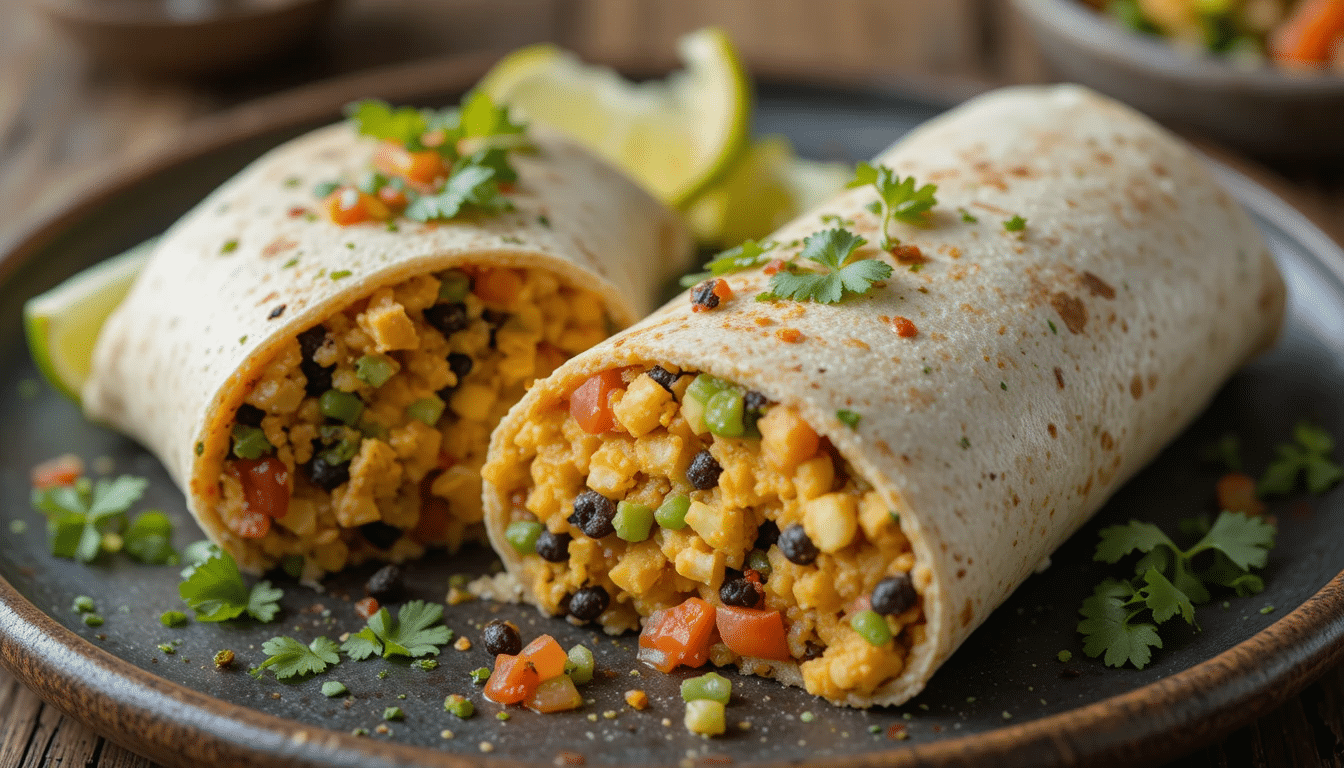
Imagine unwrapping a warm, perfectly grilled tortilla stuffed with fluffy tofu scramble, creamy black beans, golden potatoes, fresh avocado, and zesty salsa – all wrapped up in a portable, protein-packed breakfast that fuels your entire morning. The vegan breakfast burrito delivers everything you crave in a hearty breakfast – satisfying textures, bold flavors, complete nutrition, and ultimate convenience – without any eggs, dairy, or meat. This isn’t just a wrapped-up breakfast; it’s a complete meal that combines crispy roasted potatoes, savory seasoned tofu, fiber-rich beans, and fresh vegetables into one handheld masterpiece that’s perfect for busy mornings, meal prep, or leisurely weekend brunches when you want something substantial and delicious.
Cultural Background and Context
The breakfast burrito emerged in the American Southwest in the 1970s, born from the fusion of Mexican culinary traditions and American breakfast culture. While Mexico had long featured egg-based breakfast dishes like huevos rancheros and chilaquiles, the concept of wrapping breakfast ingredients in a flour tortilla was distinctly American, particularly in New Mexico and Southern California. The breakfast burrito gained popularity in the 1980s and 90s as fast-food chains began offering morning wraps, transforming it from regional specialty into a nationwide breakfast staple.
Traditional breakfast burritos centered around scrambled eggs, cheese, bacon or sausage, and potatoes, reflecting the protein-heavy American breakfast tradition. The generous size and portability made them perfect for on-the-go eating, appealing to busy workers and students. As Mexican-American cuisine evolved throughout the Southwest, breakfast burritos became customizable canvases for regional variations – some featuring green or red chile sauce (Christmas style in New Mexico), others incorporating different meat and cheese combinations.
The vegan adaptation of breakfast burritos represents both the growing plant-based movement and the dish’s inherent versatility. Replacing eggs with seasoned tofu scramble, using plant-based cheese or cashew queso, and loading up with beans, potatoes, and vegetables creates a breakfast burrito that’s often more flavorful, more colorful, and more nutritious than traditional versions. The vegan version honors the spirit of the breakfast burrito – hearty, satisfying, portable breakfast that powers your day – while being cruelty-free, cholesterol-free, and packed with whole food nutrition. Today’s vegan breakfast burrito proves that plant-based eating isn’t about restriction; it’s about abundance, creativity, and delicious food that happens to be better for your health and the planet.
Health Benefits
Complete Protein Combination: Vegan breakfast burritos provide exceptional protein through the combination of tofu, beans, and whole grain tortillas – together offering all essential amino acids your body needs. One burrito delivers 20-25 grams of protein, comparable to traditional egg-based versions while being cholesterol-free. The combination of soy protein from tofu and legume protein from beans creates complete protein that supports muscle maintenance, immune function, and sustained energy throughout your morning.
Sustained Energy Release: The combination of complex carbohydrates from potatoes and tortillas, protein from tofu and beans, fiber from vegetables and beans, and healthy fats from avocado creates the perfect macronutrient balance for sustained energy. Unlike simple-carb breakfasts that cause blood sugar spikes and crashes, breakfast burritos provide steady fuel for 4-5 hours. The fiber content slows digestion, preventing energy crashes and keeping you focused and productive throughout your morning.
Heart-Healthy Choice: Vegan breakfast burritos are naturally cholesterol-free and significantly lower in saturated fat compared to traditional versions loaded with eggs, cheese, sausage, and bacon. By using plant-based ingredients, you eliminate dietary cholesterol entirely while providing heart-healthy fiber that actually helps reduce cholesterol levels. The beans alone provide soluble fiber that binds to cholesterol in the digestive system, preventing its absorption and supporting cardiovascular health.
Fiber Powerhouse: One vegan breakfast burrito provides 12-15 grams of fiber (nearly half your daily needs) from beans, vegetables, potatoes, and whole grain tortillas. This impressive fiber content supports digestive health, promotes regular bowel movements, feeds beneficial gut bacteria, and helps maintain healthy blood sugar levels. The combination of soluble and insoluble fiber ensures optimal digestive function while keeping you satisfied for hours.
Nutrient Dense: Breakfast burritos packed with colorful vegetables, beans, avocado, and tofu deliver impressive amounts of vitamins and minerals. Potatoes provide vitamin C and potassium, beans offer iron and folate, avocado contributes healthy fats and vitamin E, tomatoes supply lycopene and vitamin C, and peppers deliver vitamin A and antioxidants. This nutrient density transforms breakfast from empty calories into genuine nourishment.
Blood Sugar Management: Despite containing carbohydrates, vegan breakfast burritos have a relatively low glycemic impact due to their high fiber and protein content. The beans, vegetables, and healthy fats slow carbohydrate absorption, preventing blood sugar spikes. This makes breakfast burritos an excellent choice for people managing diabetes or anyone wanting to avoid mid-morning energy crashes and sugar cravings.
Weight Management Support: The high protein and fiber content of vegan breakfast burritos promotes satiety and reduces overall calorie intake throughout the day. Starting your morning with 20+ grams of protein and 12+ grams of fiber keeps you satisfied until lunch, preventing mid-morning snacking. The volume of food (vegetables, beans, potatoes) provides substantial satisfaction while being moderate in calories compared to processed breakfast options.
Calorie and Macronutrient Information: One large vegan breakfast burrito contains approximately 450-550 calories depending on size and fillings, providing 20-25g protein, 65-75g carbohydrates, and 15-20g fat (primarily from avocado and cooking oil). This balanced macronutrient profile creates a complete, satisfying meal that fuels your entire morning.
Ingredients
For the Vegan Breakfast Burrito (Makes 4 large burritos):
For the Tofu Scramble:
- 1 block (14 oz/400g) extra-firm tofu, drained and pressed
- 1 tablespoon olive oil
- 2 tablespoons nutritional yeast
- ½ teaspoon ground turmeric
- ½ teaspoon kala namak (black salt) or regular salt
- ¼ teaspoon black pepper
- ¼ teaspoon garlic powder
For the Potatoes:
- 2 medium russet or Yukon gold potatoes, diced small (about 2 cups)
- 1 tablespoon olive oil
- ½ teaspoon smoked paprika
- ½ teaspoon garlic powder
- ¼ teaspoon salt
- ¼ teaspoon black pepper
For the Black Beans:
- 1 can (15 oz/425g) black beans, drained and rinsed
- ½ teaspoon cumin
- ¼ teaspoon chili powder
- Pinch of salt
For Assembly:
- 4 large flour tortillas (10-12 inch) or whole wheat tortillas
- 1 ripe avocado, sliced
- 1 cup (120g) vegan cheese, shredded (optional)
- ½ cup (80g) salsa (mild, medium, or hot)
- ½ cup (120g) vegan sour cream or cashew cream (optional)
- 2 tablespoons fresh cilantro, chopped
- Hot sauce to taste
Optional Add-Ins:
- Sautéed bell peppers and onions
- Roasted poblano peppers
- Pico de gallo or fresh tomatoes
- Pickled jalapeños
- Fresh spinach or lettuce
- Vegan bacon or sausage crumbles
- Corn kernels
- Diced tomatoes
For the Burrito Components:
Protein Options:
- Tofu scramble (classic)
- Scrambled chickpea flour (soy-free)
- Refried beans
- Black beans
- Pinto beans
- Vegan sausage crumbles
Vegetable Options:
- Roasted bell peppers
- Sautéed mushrooms
- Caramelized onions
- Roasted zucchini
- Corn (fresh or frozen)
- Spinach or kale
- Diced tomatoes
Sauce and Topping Options:
- Salsa verde
- Chipotle cashew cream
- Vegan queso
- Guacamole
- Pico de gallo
- Pickled red onions
- Fresh lime juice
Instructions
Step 1: Prepare and Roast the Potatoes
Preheat your oven to 425°F (220°C) and line a baking sheet with parchment paper. Dice the potatoes into small ½-inch cubes – smaller pieces cook faster and create better texture in burritos. In a bowl, toss the diced potatoes with olive oil, smoked paprika, garlic powder, salt, and pepper until evenly coated. Spread the seasoned potatoes in a single layer on the prepared baking sheet, ensuring they don’t overlap (crowding causes steaming instead of crisping). Roast for 25-30 minutes, flipping halfway through, until golden brown and crispy on the edges. The potatoes should be tender inside with crispy, caramelized exteriors. While potatoes roast, prepare the other components.
Step 2: Make the Tofu Scramble
While the potatoes are roasting, prepare your tofu scramble. Press the tofu for 10 minutes to remove excess moisture, then crumble it into bite-sized pieces with your hands. Heat olive oil in a large skillet over medium heat. Add the crumbled tofu and cook for 2-3 minutes, stirring occasionally. Sprinkle the nutritional yeast, turmeric, kala namak, black pepper, and garlic powder over the tofu. Stir everything together, breaking up any large pieces, and cook for another 5-7 minutes until the tofu is heated through, slightly golden in spots, and has absorbed all the seasonings. The turmeric will give it that characteristic egg-yellow color. Taste and adjust seasonings if needed – it should be savory, well-seasoned, and flavorful. Transfer to a bowl and set aside.
Step 3: Prepare the Seasoned Black Beans
In a small saucepan over medium heat, combine the drained black beans, cumin, chili powder, and a pinch of salt. Add 2-3 tablespoons of water to prevent sticking. Cook for 3-5 minutes, stirring occasionally, until the beans are heated through and the spices are fragrant. Use a fork or potato masher to lightly mash about half the beans – this creates a creamier texture that holds together better in burritos while leaving some beans whole for texture. The mashing also helps the beans stick to other ingredients rather than rolling out of the burrito. Taste and adjust seasonings. Keep warm until assembly.
Step 4: Prep Your Fresh Ingredients
While everything cooks, prepare your fresh ingredients for quick assembly. Slice the avocado and set aside (squeeze a little lime juice over it to prevent browning if you’re not assembling immediately). Chop fresh cilantro. Measure out your salsa, vegan sour cream, and shredded cheese if using. Having everything prepped and ready makes assembly quick and efficient. If using additional vegetables like sautéed peppers or onions, cook those now in a skillet with a bit of oil until softened and slightly caramelized.
Step 5: Warm Your Tortillas
Warming tortillas is crucial for pliable, easy-to-roll burritos that don’t crack or tear. Heat a dry skillet or griddle over medium heat. Place one tortilla in the hot pan and warm for 20-30 seconds per side until pliable and lightly toasted in spots. Stack warmed tortillas on a plate and cover with a clean kitchen towel to keep them warm and soft. Alternatively, wrap tortillas in damp paper towels and microwave for 20-30 seconds. Warm tortillas are essential – cold tortillas crack when you try to roll them, ruining your burrito.
Step 6: Assemble Your Burritos
Place one warm tortilla on a clean work surface. Position fillings in a horizontal line across the lower third of the tortilla, leaving about 2 inches of space on each side. Start with a layer of tofu scramble (about ¾ cup), then add roasted potatoes (about ½ cup), black beans (about ⅓ cup), a few avocado slices, a sprinkle of cheese if using, a spoonful of salsa, and any other desired toppings. Don’t overfill – too much filling makes rolling impossible and creates burrito explosions. Less is more when it comes to successful burrito construction.
Step 7: Roll Your Burrito Properly
Here’s the technique for restaurant-quality burrito rolling: Fold the left and right sides of the tortilla toward the center, covering the edges of the filling. These side folds create sealed ends that prevent filling from escaping. Now, starting from the bottom (the edge closest to you), lift the tortilla over the filling and tuck it tightly under and around the filling, using your fingers to pack everything firmly. Continue rolling away from you, keeping the roll tight and the side folds tucked in, until you have a completely sealed burrito. The key is maintaining tight, even tension throughout the roll.
Step 8: Grill for Crispy Exterior (Optional but Recommended)
For that signature crispy exterior and to help seal the burrito, grill it briefly. Heat a clean skillet or griddle over medium heat and lightly brush or spray with oil. Place the burrito seam-side down in the pan and cook for 2-3 minutes until golden brown and crispy. Flip carefully and cook the other side for another 2-3 minutes. The heat melts any cheese inside, warms all the components together, and creates that satisfying crispy exterior that elevates breakfast burritos from good to exceptional. This step also helps seal the seam so the burrito stays together better.
Step 9: Serve Immediately or Wrap for Later
If eating immediately, cut the burrito in half diagonally to reveal the beautiful layers of colorful ingredients inside. Serve on a plate with extra salsa, hot sauce, vegan sour cream, and lime wedges on the side. If preparing for meal prep or taking on-the-go, let the burrito cool slightly (about 5 minutes) before wrapping tightly in aluminum foil or parchment paper. The foil keeps everything warm and contained, making it easy to eat with one hand while commuting, hiking, or at your desk.
Step 10: Store or Freeze Extras
Breakfast burritos are meal prep champions. For refrigerator storage, wrap cooled burritos individually in foil or plastic wrap and store in an airtight container for up to 4 days. Reheat in the microwave for 1-2 minutes (remove foil first!) or in a 350°F oven for 15-20 minutes wrapped in foil. For freezer storage, wrap tightly in plastic wrap, then foil, and freeze for up to 3 months. Reheat from frozen by removing plastic wrap, rewrapping in foil, and baking at 350°F for 30-40 minutes, or microwave for 2-3 minutes, flipping halfway through.
Ingredient Deep Dive
Tortilla selection dramatically impacts your burrito’s success. Large flour tortillas (10-12 inches) are traditional and easiest to work with, providing pliability and neutral flavor that complements fillings. Whole wheat tortillas add fiber and nutrition with slightly nutty flavor and heartier texture. Spinach, tomato, or sun-dried tomato tortillas add color and subtle flavor while providing the same functionality. For gluten-free burritos, look for large gluten-free wraps specifically designed for burritos – corn tortillas are too small and too brittle for large breakfast burritos.
The quality of tortillas matters – fresh tortillas from the bakery section or refrigerated section typically taste better and roll more easily than shelf-stable packaged varieties. Look for tortillas with simple ingredient lists: flour, water, oil, salt, and leavening. Avoid those with long lists of preservatives and additives. Store-brand tortillas often work just as well as expensive brands. If tortillas seem dry or crack when rolling, steam them briefly by wrapping in damp paper towels and microwaving for 20-30 seconds.
Potato variety affects texture and flavor. Russet potatoes create fluffy interiors with crispy exteriors – perfect for breakfast burritos. Yukon Gold potatoes have buttery flavor and creamy texture that many prefer. Red potatoes maintain their shape well but have firmer, waxier texture. Sweet potatoes offer nutritional benefits and natural sweetness that pairs surprisingly well with savory burrito fillings. For fastest cooking, dice potatoes small (½-inch cubes) and ensure they’re spread in a single layer when roasting.
Black beans are traditional but any bean works beautifully. Pinto beans create creamier texture when mashed and have mild, earthy flavor. Kidney beans provide firm texture and robust flavor. White beans (cannellini or great northern) offer creamy texture and mild taste. Refried beans (vegetarian/vegan versions) create the creamiest filling that holds ingredients together exceptionally well. For convenience, canned beans work perfectly – just drain, rinse, and season. Cooking dried beans from scratch offers better texture and costs less but requires advance planning.
Customization Options
Regional Style Variations
Transform your breakfast burrito with regional flavor profiles. New Mexican-style features red or green chile sauce (or “Christmas” style with both), pinto beans, and Hatch chiles, often smothered in additional sauce. California-style includes avocado, french fries inside the burrito, vegan sour cream, and fresh pico de gallo. Texas-style features larger portions, vegan queso, jalapeños, and bold spices.
Create Southwestern burritos with corn, black beans, bell peppers, chipotle cashew cream, and cilantro-lime rice. Make Colorado-style green chile burritos with roasted poblanos, green chile sauce, and crispy potato chunks. San Diego-style incorporates vegan carne asada (try marinated and grilled mushrooms or plant-based meat), guacamole, and pico de gallo. Each regional variation celebrates different flavor traditions while maintaining the hearty, satisfying nature of breakfast burritos.
Dietary Modifications
Adapt breakfast burritos for various dietary needs. For gluten-free, use certified gluten-free large wraps or lettuce wraps for lower-carb options. Make soy-free versions by using chickpea flour scramble instead of tofu – mix ½ cup chickpea flour with ½ cup water and seasonings, then scramble in a pan like tofu. For oil-free burritos, roast potatoes with vegetable broth or aquafaba instead of oil, and use water or broth for sautéing.
Create lower-carb burritos by using low-carb tortillas or large collard green leaves as wraps. Make higher-protein versions by adding extra beans, using protein-enriched tortillas, and including vegan sausage. For nut-free (since many vegan cheeses and creams contain cashews), skip the cheese or use nut-free alternatives, and replace cashew cream with sunflower seed cream or store-bought nut-free sour cream.
Serving Suggestions
Breakfast burritos are incredibly versatile, working for various meal occasions. Serve them classic breakfast-style on a plate with hash browns, fresh fruit, and coffee for a complete morning meal. The burrito provides protein and substance while sides add variety and nutrition. Offer hot sauce, salsa, and lime wedges on the side for customizable heat and brightness.
Make burrito bowls by deconstructing the burrito – layer rice or greens in a bowl, top with all the burrito components separately, and let diners mix together. This works well for lower-carb preferences or when tortillas aren’t available. Create breakfast burrito plates by serving all components separately with warm tortillas on the side, allowing everyone to build their own.
For brunch entertaining, set up a breakfast burrito bar with warm tortillas, bowls of each filling, various salsas and sauces, toppings, and let guests assemble custom burritos. This interactive setup accommodates different preferences and dietary restrictions while making hosting easier. Provide both large flour tortillas and smaller options for those who want modest portions.
Pair breakfast burritos with Mexican-inspired sides: crispy tortilla chips with salsa or guacamole, fresh fruit with lime and chili powder, Mexican street corn salad, or refried beans. Beverage pairings include fresh-squeezed orange juice, coffee (regular or Mexican-spiced with cinnamon), agua fresca (especially jamaica or horchata), or hot chocolate for cooler mornings.
Variations
Beyond classic breakfast burritos, creative variations keep mornings exciting. Make Mediterranean breakfast wraps using hummus instead of beans, roasted vegetables (eggplant, zucchini, tomatoes), olives, and vegan feta wrapped in large flatbreads or tortillas. Create Asian-inspired breakfast burritos with tofu scramble seasoned with soy sauce and sesame oil, stir-fried vegetables, sriracha mayo, and scallions.
Try breakfast burrito wraps using different bases – use lavash bread for thinner wraps, naan for Indian-inspired flavors, or large rice paper for gluten-free spring roll-style burritos. Make sweet breakfast burritos with cinnamon-sugar tortillas, peanut butter, sliced bananas, berries, and granola for dessert-like breakfast.
Create loaded breakfast quesadillas by spreading burrito fillings on half a tortilla, folding over, and grilling until crispy – essentially a flat, crispy burrito. Make breakfast tacos using all the same fillings in smaller portions with 6-inch tortillas for lighter, multi-taco breakfasts. Transform leftovers into breakfast burrito bowls, nachos (layer tortilla chips with all the ingredients), or even breakfast pizzas using tortillas as the base.
For special occasions, make smothered burritos by placing assembled burritos in a baking dish, covering with enchilada sauce or chile verde, topping with vegan cheese, and baking at 375°F for 20 minutes until hot and bubbly. Wet burritos can’t be eaten on-the-go but offer restaurant-style decadence.
Storage and Meal Prep
Breakfast burritos are perhaps the ultimate meal prep breakfast. Dedicate 1-2 hours on Sunday to preparing a week’s worth of grab-and-go breakfasts. Make all components (tofu scramble, roasted potatoes, seasoned beans) and store separately for freshest results when assembling, or assemble complete burritos immediately for maximum convenience. Both methods work well depending on your priorities.
For component meal prep, store each filling in separate airtight containers in the refrigerator for up to 5 days. Each morning, warm a tortilla, add desired amounts of each component, and roll a fresh burrito in 3-4 minutes. This approach provides freshest taste and allows daily customization of fillings and amounts.
For complete burrito meal prep, assemble all burritos after components cool slightly (assembling while hot creates steam that makes tortillas soggy). Wrap each burrito tightly in foil or parchment paper, place in an airtight container or large freezer bag, and refrigerate for up to 4 days. Reheat wrapped burritos in the microwave for 90 seconds to 2 minutes, or unwrap and heat in a skillet for crispy exterior.
For freezer meal prep, wrap cooled burritos first in plastic wrap (tightly, removing as much air as possible), then in aluminum foil, and label with contents and date. Freeze flat in a single layer until solid, then stack to save space. Frozen burritos keep for 3 months. Reheat from frozen by removing plastic wrap, rewrapping in foil or damp paper towel, and microwaving for 2-3 minutes, flipping halfway through, or baking wrapped in foil at 350°F for 35-40 minutes. Frozen breakfast burritos are literal life-savers on busy mornings.
Common Mistakes to Avoid
Overfilling the Burrito: The most common mistake is using too much filling, which makes rolling impossible and creates burrito explosions. Use about 1½ to 2 cups total filling maximum for large tortillas. It seems like you’re being stingy, but proper portioning is essential for successful rolling. Remember, you can always make another burrito if you’re still hungry!
Not Warming the Tortilla: Cold or room temperature tortillas crack and tear when you try to roll them, ruining your burrito before you even start. Always warm tortillas until pliable and soft. This step is non-negotiable for rollable burritos. Keep warmed tortillas covered with a towel to maintain temperature while assembling multiple burritos.
Rolling Too Loosely: Loose rolling creates burritos that fall apart when you try to eat them, with filling escaping from every opening. The key is maintaining tight, even tension throughout the rolling process, packing ingredients firmly as you roll. Tight rolling keeps everything contained and creates burritos that actually stay together when bitten.
Adding Cold Ingredients: Mixing hot and cold ingredients creates condensation that makes tortillas soggy and affects texture. All burrito components should be warm (not scalding hot, but warm) when assembling. This ensures even temperature throughout, prevents sogginess, and creates better flavor integration.
Forgetting to Fold the Sides First: Jumping straight to rolling without folding in the sides first creates open-ended burritos that leak filling from both ends. Always fold the left and right sides inward to cover the filling edges before you begin rolling from the bottom. These side folds create the sealed pockets that define proper burrito construction.
Using Wet Ingredients Without Draining: Salsa, beans, or vegetables that are too wet make tortillas soggy and cause structural failure. Drain excess liquid from salsa, beans, and cooked vegetables before adding to burritos. Pat fresh tomatoes or other watery vegetables dry with paper towels. Slightly drier fillings create sturdier, better-structured burritos.
Not Grilling After Rolling: Skipping the post-roll grilling step means missing out on crispy exterior, sealed seams, and melted cheese. That brief grilling transforms good burritos into great ones while helping them hold together better. It only takes 4-5 minutes total but makes significant difference in taste and texture.
Shopping Guide
Most breakfast burrito ingredients are affordable and widely available. Large flour tortillas are inexpensive – a package of 8-10 tortillas costs $2-4 and makes multiple batches of burritos. Buy from the bakery section or refrigerated area for fresher, more pliable tortillas than shelf-stable options. Store-brand tortillas work just as well as expensive brands.
Extra-firm tofu costs $2-4 per block depending on organic vs. conventional. One block makes enough scramble for 4 large burritos. Buy tofu from the refrigerated section in water-packed containers. Check expiration dates and ensure packages aren’t damaged. Canned black beans are very economical – usually under $1 per can, and one can provides enough beans for 4 burritos.
Potatoes are among the cheapest, most filling ingredients available. Buy whatever variety you prefer – russet, Yukon Gold, or red potatoes all work well. A 5-pound bag costs $3-5 and makes many batches of breakfast burritos. Store in a cool, dark, dry place (not the refrigerator) for longest freshness.
Avocados vary in price by season and region ($1-3 each typically). Buy them slightly firm and ripen at home for several days. One avocado provides enough slices for 3-4 burritos. Nutritional yeast costs $6-10 per container but lasts for many meals. Find it in the natural foods section or bulk bins. Kala namak (black salt) costs $4-6 for a bag that lasts months and makes dramatic difference in tofu scramble’s egg-like flavor.
Salsa and hot sauce range from $2-5 per jar depending on brand and quality. Buy what you enjoy – store-brand salsa works fine or splurge on artisan versions for better flavor. Fresh cilantro costs $1-2 per bunch. Vegan cheese is the most expensive optional ingredient ($4-7 per package) but isn’t essential for delicious burritos.
Nutritional Information (Per Serving)
- Prep Time: 20 minutes
- Cook Time: 30 minutes
- Total Time: 50 minutes
- Servings: 4 large burritos
- Calories: 485 kcal per burrito
- Protein: 22g
- Carbohydrates: 68g
- Fat: 16g
- Fiber: 13g
- Sugar: 3g (naturally occurring)
- Sodium: 780mg
- Calcium: 280mg
- Iron: 6mg
- Vitamin C: 35mg
- Folate: 125mcg