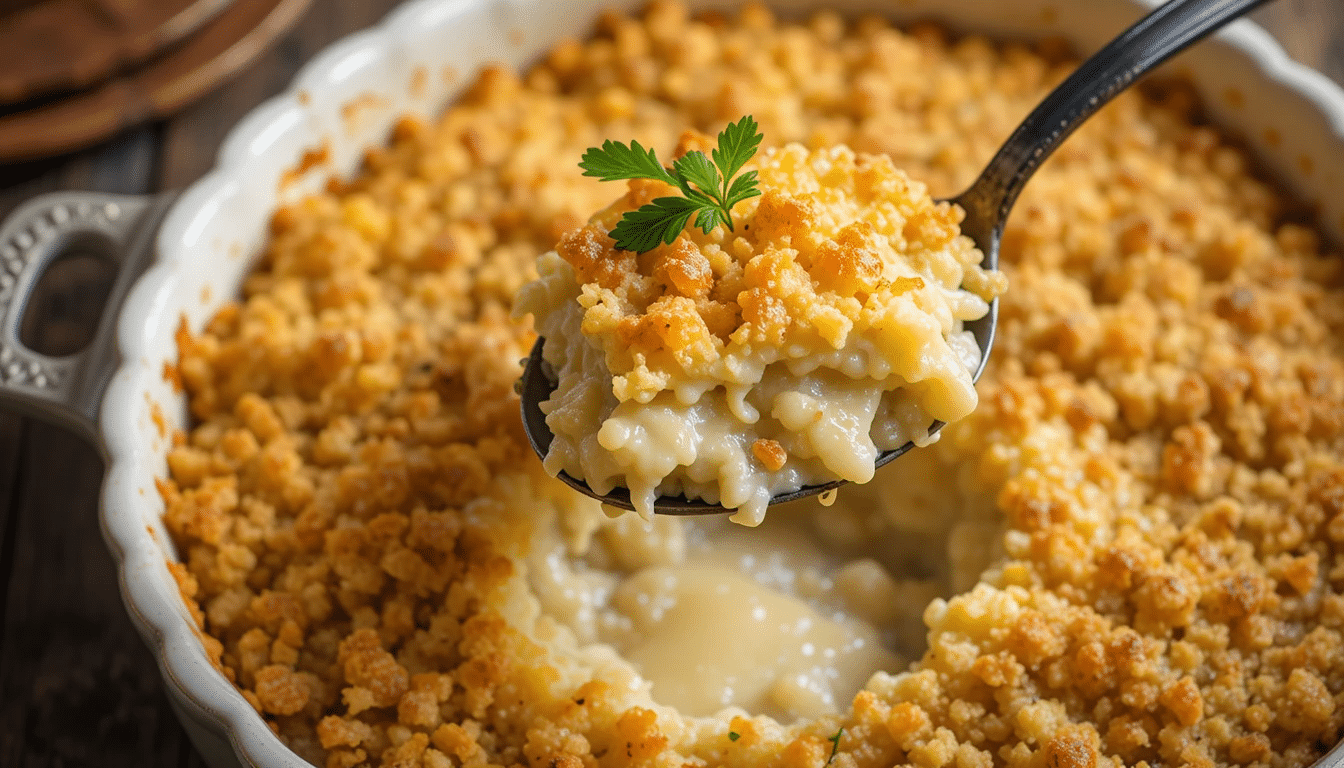
Creamy Vegan Scalloped Potatoes – The Ultimate Comfort Side Dish
Table of Contents
Introduction
Imagine layers upon layers of thinly sliced potatoes swimming in rich, creamy sauce, baked until golden and bubbly, with crispy edges and a tender, melt-in-your-mouth interior – that’s the magic of scalloped potatoes, and you don’t need dairy to achieve perfection. These vegan scalloped potatoes deliver all the indulgent, comforting goodness of the classic dish with a luscious cashew-based cream sauce that’s so rich and flavorful, even dairy-lovers won’t miss the heavy cream and butter.
Whether you’re preparing a holiday feast, hosting Sunday dinner, or simply craving ultimate comfort food, this recipe transforms humble potatoes into an elegant, crowd-pleasing side dish that pairs beautifully with everything from roasted vegetables to plant-based mains, proving once again that vegan cooking isn’t about sacrifice – it’s about creating food so delicious that everyone at the table asks for seconds.
Cultural Background and Context
Scalloped potatoes, also known as “potatoes au gratin” (though technically au gratin specifically refers to versions with a browned cheese crust), have deep roots in European cuisine, particularly French cooking. The term “scalloped” comes from the old English word “collop,” meaning to slice thinly, and describes the preparation method rather than the cooking technique. French cuisine elevated thinly sliced, layered potatoes to an art form in the 18th and 19th centuries, with variations appearing in haute cuisine restaurants and aristocratic homes across Europe.
The dish gained widespread popularity in America during the 19th century as potatoes became a dietary staple and home cooks adapted French techniques to everyday cooking. Traditional scalloped potatoes featured layers of thinly sliced potatoes baked in heavy cream, butter, and sometimes cheese, creating an indulgent side dish reserved for special occasions and holiday meals. The creamy, comforting nature of scalloped potatoes made them a beloved accompaniment to roasted meats, particularly during Thanksgiving, Christmas, and Easter celebrations.
The vegan adaptation of scalloped potatoes represents both culinary innovation and a return to simplicity. Early vegan versions often disappointed, using thin plant-based milk that couldn’t replicate cream’s richness, resulting in watery, flavorless dishes. The breakthrough came when plant-based cooks discovered that soaked cashews blended with plant milk, nutritional yeast, and proper seasonings created a cream sauce virtually indistinguishable from dairy cream in both taste and texture.
Adding ingredients like miso paste, Dijon mustard, and garlic provided the depth and complexity that makes scalloped potatoes irresistible. Today’s vegan scalloped potatoes honor the traditional technique while being entirely plant-based, often healthier, and in many cases, more flavorful than their dairy-heavy predecessors. The dish proves that comfort food can be both compassionate and completely satisfying.
Health Benefits
Heart-Healthy Alternative: Unlike traditional scalloped potatoes swimming in heavy cream and butter, vegan versions are cholesterol-free and significantly lower in saturated fat. Heavy cream contains about 88% fat (mostly saturated), while cashew cream provides primarily heart-healthy unsaturated fats. By eliminating dairy, you reduce saturated fat by up to 75% while maintaining that rich, creamy texture. This makes vegan scalloped potatoes a heart-friendly comfort food that supports cardiovascular health rather than compromising it.
Nutrient-Dense Potatoes: Potatoes are nutritional powerhouses often unfairly dismissed as empty carbs. One medium potato provides nearly half your daily vitamin C needs, more potassium than a banana (620mg vs 422mg), significant amounts of vitamin B6 for brain health, and resistant starch that feeds beneficial gut bacteria. When you leave the skins on (as in many scalloped potato recipes), you also get valuable fiber, iron, and additional nutrients concentrated in and near the skin.
Easier Digestion: Many people experience digestive discomfort, bloating, or inflammation from dairy products due to lactose intolerance, casein sensitivity, or dairy allergies. Vegan scalloped potatoes eliminate these digestive triggers while remaining just as satisfying and creamy. The absence of lactose makes this dish accessible to the 65% of the global population with some degree of lactose intolerance, allowing everyone to enjoy comfort food without digestive consequences.
Anti-Inflammatory Properties: The garlic and onions commonly used in scalloped potatoes provide powerful anti-inflammatory compounds including allicin and quercetin. Nutritional yeast adds B vitamins and minerals while contributing savory, umami depth. Cashews provide copper, magnesium, and antioxidants. Together, these ingredients create an anti-inflammatory profile that contrasts sharply with dairy-heavy versions, which can promote inflammation in sensitive individuals.
Blood Sugar Management: While potatoes have a reputation for raising blood sugar, the reality is more nuanced. When potatoes are cooked and cooled (as happens when you prep scalloped potatoes in advance), some of their starch converts to resistant starch, which doesn’t spike blood sugar and actually supports gut health. The fat from cashew cream further slows digestion and carbohydrate absorption, moderating blood sugar impact. Eating scalloped potatoes alongside protein and vegetables creates an even more balanced glycemic response.
Sustained Energy: The combination of complex carbohydrates from potatoes and healthy fats from cashew cream provides sustained energy release. Unlike simple carbs that cause energy spikes and crashes, this balanced combination fuels your body steadily. The potassium in potatoes supports proper muscle and nerve function, while B vitamins from nutritional yeast aid energy metabolism.
Weight Management Friendly: Despite their reputation, potatoes are actually quite filling relative to their calorie content. They score very high on the satiety index – meaning they keep you full with fewer calories than many other foods. Vegan scalloped potatoes, while still indulgent, contain fewer calories than traditional versions due to eliminating heavy cream and butter. One serving provides substantial satisfaction that prevents overeating later.
Calorie and Macronutrient Information: One serving (about 1 cup) of vegan scalloped potatoes contains approximately 220-260 calories, providing 35-40g carbohydrates, 6-8g protein (from cashews and nutritional yeast), and 8-10g fat (primarily healthy unsaturated fats from cashews). This creates a reasonably balanced side dish that’s indulgent yet not excessive.
Ingredients
For Vegan Scalloped Potatoes (Serves 6-8):
For the Potatoes:
- 3 pounds (1.4kg) russet or Yukon gold potatoes (about 6-7 medium potatoes)
- 1 medium yellow onion, thinly sliced (optional but recommended)
- 2 cloves garlic, minced
- 2 tablespoons fresh thyme leaves (or 1 tablespoon dried thyme)
- Salt and black pepper to taste
For the Cashew Cream Sauce:
- 1½ cups (210g) raw cashews, soaked in hot water for 30 minutes
- 2 cups (480ml) unsweetened plant-based milk (soy, oat, or almond)
- ¼ cup (30g) nutritional yeast
- 2 tablespoons all-purpose flour or cornstarch (for thickening)
- 2 cloves garlic
- 1 tablespoon white miso paste (adds depth and umami)
- 1 tablespoon Dijon mustard
- 1 teaspoon onion powder
- ¾ teaspoon salt
- ½ teaspoon black pepper
- ¼ teaspoon ground nutmeg (traditional in cream sauces)
- Pinch of cayenne pepper (optional, for subtle heat)
For Topping:
- ½ cup (60g) panko breadcrumbs (ensure vegan)
- 2 tablespoons vegan butter, melted, or olive oil
- 2 tablespoons nutritional yeast
- ¼ teaspoon garlic powder
- Pinch of salt
- Fresh parsley, chopped (for garnish)
For Optional Variations:
Cheesy Version:
- Add ½ cup vegan shredded cheese to the sauce
- Sprinkle additional cheese on top before baking
Herbaceous Version:
- Add fresh rosemary, sage, or tarragon
- Increase fresh thyme to 3 tablespoons
Loaded Version:
- Add vegan bacon bits between layers
- Include sautéed mushrooms
- Add spinach or kale
Lighter Version:
- Reduce cashews to 1 cup
- Increase plant milk by ½ cup
- Use vegetable broth for part of the liquid
Instructions
Step 1: Prep and Soak Cashews
Begin by soaking your raw cashews in very hot (just-boiled) water for 30 minutes, or in room temperature water for 2-4 hours if you have time. This softening process is crucial for achieving ultra-smooth, creamy sauce without any grittiness. While cashews soak, preheat your oven to 375°F (190°C) and lightly grease a 9×13-inch baking dish with vegan butter or oil, or spray with cooking spray. Having everything ready before you start layering ensures smooth, efficient assembly.
Step 2: Prepare the Potatoes
Wash your potatoes thoroughly, scrubbing away any dirt. For more rustic, nutrient-rich scalloped potatoes, leave the skins on (just ensure they’re very clean). For classic, elegant presentation, peel the potatoes. Using a mandoline slicer, sharp knife, or food processor with slicing attachment, slice potatoes into uniform ⅛-inch thick rounds. Consistent thickness is crucial – too thick and they won’t cook through, too thin and they’ll turn to mush. Place sliced potatoes in a large bowl of cold water to prevent browning while you prepare the sauce. This also removes excess starch, which helps create better texture.
Step 3: Make the Cashew Cream Sauce
Drain the soaked cashews completely and add them to a high-speed blender along with the plant milk, nutritional yeast, flour or cornstarch, garlic cloves, miso paste, Dijon mustard, onion powder, salt, pepper, nutmeg, and cayenne if using. Blend on high speed for 2-3 minutes, stopping to scrape down sides as needed, until the mixture is completely smooth and silky with absolutely no graininess. The sauce should be thick and creamy, similar to heavy cream consistency. Taste and adjust seasonings – it should be well-seasoned and savory with depth from the miso and nutritional yeast. If the sauce seems too thick, add 2-3 tablespoons more plant milk; if too thin, add another tablespoon of flour.
Step 4: Layer the Potatoes
Drain the sliced potatoes and pat them dry with a clean kitchen towel – excess water dilutes the sauce and creates watery scalloped potatoes. Begin layering: arrange about one-third of the potato slices in overlapping rows in the bottom of your prepared baking dish, slightly overlapping like fallen dominoes. If using onions, scatter some sliced onions over the potato layer.
Sprinkle with a bit of minced garlic, fresh thyme leaves, salt, and pepper. Pour about one-third of the cashew cream sauce over the layer, using a spoon to spread it evenly and ensure it gets between the potato slices. Repeat this process two more times, creating three layers total, ending with sauce on top. Gently press down on the layers with your hand or a spatula to compact everything and help the sauce penetrate.
Step 5: Prepare the Crispy Topping
In a small bowl, combine panko breadcrumbs, melted vegan butter or olive oil, nutritional yeast, garlic powder, and a pinch of salt. Mix with a fork until the breadcrumbs are evenly coated and the mixture resembles wet sand. This topping will create that irresistible golden, crispy crust on top of your scalloped potatoes. The nutritional yeast adds extra savory, cheesy flavor while the butter or oil ensures proper browning and crunch.
Step 6: Add Topping and Cover
Sprinkle the breadcrumb mixture evenly over the top layer of sauce and potatoes, creating a complete covering. Cover the baking dish tightly with aluminum foil – this is important for the first phase of baking as it traps steam, which helps the potatoes cook through without the top burning. Make sure the foil doesn’t touch the breadcrumb topping, or it will stick; tent it slightly if needed.
Step 7: Bake Covered
Place the covered dish in your preheated 375°F (190°C) oven and bake for 45 minutes. During this covered baking phase, the potatoes steam and become tender while the sauce thickens and the flavors meld. The foil prevents the top from browning too quickly before the potatoes cook through. You’ll know the potatoes are getting close to done when you can smell the garlic and thyme and the sauce is bubbling around the edges.
Step 8: Uncover and Brown
After 45 minutes, carefully remove the foil (watch for hot steam!) and return the dish to the oven. Bake uncovered for an additional 20-25 minutes until the top is golden brown and crispy, the sauce is bubbling vigorously around the edges, and a knife inserted into the center slides through the potatoes easily with no resistance. The potatoes should be completely tender and the breadcrumb topping should be deeply golden and crunchy. If the top is browning too quickly but potatoes aren’t tender yet, re-cover loosely with foil and continue baking.
Step 9: Rest Before Serving
This is the hardest step but the most important: let the scalloped potatoes rest for 10-15 minutes after removing from the oven. During this resting period, the sauce thickens significantly and sets up, making the dish easier to slice and serve. If you try to serve immediately, the sauce will be thin and runny, and scoops will fall apart. Use this time to prepare other dishes, set the table, or garnish with fresh parsley. The potatoes will still be hot and perfect after resting.
Step 10: Garnish and Serve
After resting, sprinkle the top with freshly chopped parsley for a pop of color and fresh flavor. Use a large serving spoon to scoop generous portions, ensuring each serving includes crispy topping, creamy middle layers, and tender potatoes. The layers may not stay perfectly intact (that’s normal and fine!), but they should hold together reasonably well. Serve hot as a side dish to your favorite mains. Any leftovers are absolutely delicious the next day – some say even better as flavors continue to develop overnight.
Ingredient Deep Dive
Potato variety significantly impacts the final texture and flavor of scalloped potatoes. Russet potatoes (Idaho potatoes) are high-starch varieties that create the creamiest, fluffiest texture when baked – they absorb sauce beautifully and break down slightly, creating almost melting layers. Yukon Gold potatoes have moderate starch and buttery, naturally creamy texture with golden color that looks stunning in scalloped potatoes. They hold their shape better than russets while still absorbing sauce well. Red potatoes are waxy, low-starch varieties that hold their shape very well but absorb less sauce and create firmer, more distinct layers. For classic, ultra-creamy scalloped potatoes, use russets; for potatoes that hold their shape beautifully with creaminess, choose Yukon Gold; for defined layers, try red potatoes.
The cashew-to-liquid ratio determines your sauce’s richness and thickness. More cashews create thicker, richer, more indulgent sauce similar to heavy cream; fewer cashews produce lighter sauce closer to whole milk consistency. This recipe uses 1½ cups cashews to 2 cups liquid (a 3:4 ratio) for authentically rich cream sauce. For lighter versions, reduce cashews to 1 cup and increase liquid to 2½ cups. For ultra-decadent holiday versions, increase cashews to 2 cups. Raw cashews work best (not roasted or salted), producing neutral, creamy flavor. Blanched cashews (skins removed) create the whitest, most dairy-like sauce, while regular cashews with skins create slightly tan sauce that still tastes perfect.
Nutritional yeast is essential for creating that savory, almost cheesy depth that makes scalloped potatoes so craveable. It provides umami, slight nuttiness, and complexity beyond simple salt. Nutritional yeast also adds B vitamins, particularly B12 (important for vegans), and protein. Don’t confuse nutritional yeast with active yeast for baking or brewer’s yeast (which is bitter). Large flakes work best for sauce as they blend smoothly. Brands like Bob’s Red Mill, Bragg, and Trader Joe’s all work well. Store nutritional yeast in an airtight container away from light and heat to preserve freshness and flavor.
Miso paste adds incredible depth, umami, and complexity to the cream sauce, making it taste remarkably rich and developed. White (shiro) miso is mildest and sweetest, working beautifully in cream sauces without overwhelming other flavors. Yellow miso is slightly stronger with more pronounced fermented flavor. Red miso is boldest and saltiest – use less if substituting. Miso contains beneficial probiotics, though these are destroyed by heat. It also provides glutamates that enhance overall flavor perception. If you can’t find miso, substitute with 1 tablespoon soy sauce or tamari, though you’ll miss some complexity.
Customization Options
Flavor Variations
Transform basic scalloped potatoes into exciting variations. Create garlic herb scalloped potatoes by doubling the garlic (use 4-6 cloves in sauce plus minced garlic between layers) and increasing fresh herbs – add rosemary, sage, and extra thyme for maximum herbaceous flavor. Make smoky scalloped potatoes by adding 1 teaspoon smoked paprika and ½ teaspoon liquid smoke to the sauce, creating barbecue-friendly sides.
Try truffle scalloped potatoes for elegant entertaining by adding 1-2 teaspoons truffle oil to the finished sauce and garnishing with fresh chives. Create Southwest-inspired scalloped potatoes with cumin, chili powder, diced green chiles, and corn layered between potatoes, topped with vegan cheese and crushed tortilla chips instead of breadcrumbs. Make loaded baked potato scalloped potatoes by adding vegan bacon bits, chives, and vegan sour cream dollops before serving.
Mix-In Options
Enhance basic scalloped potatoes with vegetable additions. Layer thinly sliced mushrooms between potato layers for earthy depth and extra umami. Add fresh spinach or kale for color and nutrition – place between layers where it wilts during baking. Include roasted red peppers for sweetness and visual appeal. Try thinly sliced fennel for subtle anise notes that complement potatoes beautifully.
Add vegan cheese for extra richness – sprinkle shredded vegan cheddar or mozzarella between layers and on top. Include caramelized onions for sweet, deep flavor. Mix in sun-dried tomatoes for Mediterranean flair. Add roasted garlic cloves (whole) distributed throughout for pockets of sweet, mellow garlic. Each addition transforms the basic recipe into something unique while maintaining that comforting scalloped potato essence.
Serving Suggestions
Vegan scalloped potatoes shine as the perfect accompaniment to holiday meals and special dinners. Serve alongside vegan roast (like Tofurky or Field Roast), glazed vegetables, cranberry sauce, and gravy for complete holiday feast. The creamy, rich potatoes balance perfectly with roasted vegetables like Brussels sprouts, green beans, or roasted carrots. Pair with simple green salads dressed with vinaigrette to cut through the richness.
For Sunday dinners or family meals, serve scalloped potatoes with baked tofu steaks, mushroom Wellington, or plant-based burgers. The substantial, comforting nature makes them ideal cold-weather fare. Pair with steamed broccoli, roasted asparagus, or sautéed greens for complete, balanced meals. Add dinner rolls or crusty bread for soaking up any extra cream sauce on plates.
Scalloped potatoes also work beautifully at potlucks and gatherings. Transport them in the baking dish covered with foil, reheat at the destination if needed, and serve directly from the dish. They’re substantial enough to serve as a vegetarian main course for smaller portions with large salads. Present in the baking dish for rustic appeal, or transfer to a prettier serving dish for elegant presentation.
For brunch, serve scalloped potatoes alongside tofu scramble, vegan sausages, fresh fruit, and toast for hearty, satisfying morning meal. The potatoes can be made the night before and reheated, making brunch preparation easier. Pair with mimosas, coffee, or fresh-squeezed juice for complete brunch spread.
Variations
Once you’ve mastered classic scalloped potatoes, creative variations keep things exciting. Make sweet potato scalloped “potatoes” using thinly sliced sweet potatoes instead of regular potatoes, adjusting seasonings with cinnamon, nutmeg, and maple syrup in the sauce for Thanksgiving-worthy sides. Try mixed root vegetable scalloped dish using combination of potatoes, turnips, parsnips, and celery root for complex flavors and beautiful presentation.
Create scalloped potato gratin by adding ½ cup vegan parmesan on top of the breadcrumbs and broiling briefly at the end for extra-crispy, cheesy crust. Make individual portions in ramekins or muffin tins for elegant plated dinners or portion control. These bake faster (about 30-35 minutes covered, then 10-15 uncovered) and present beautifully.
Try hasselback scalloped potatoes – a hybrid technique where you slice potatoes almost all the way through (leaving bottoms intact), fan them in the baking dish, and pour sauce over. This creates stunning presentation with crispy tops and creamy bottoms. Make scalloped potato casserole with layers of vegan sausage or tempeh bacon for complete one-dish meal.
Create potato au gratin by making the sauce thicker (use less liquid), adding more vegan cheese, and ensuring extra-crispy, cheese-covered top. Make scalloped potatoes with cauliflower by alternating layers of potatoes and cauliflower for lighter version with more vegetables. Each variation maintains the essential comfort of creamy, layered potatoes while offering new flavor experiences.
Storage and Meal Prep
Scalloped potatoes are excellent make-ahead dishes, perfect for reducing holiday stress. Assemble the dish completely up to 24 hours in advance – layer potatoes and sauce, add topping, cover tightly with plastic wrap then foil, and refrigerate. When ready to bake, remove from refrigerator 30 minutes before baking to take off the chill, then bake as directed (you may need to add 10-15 extra minutes to the covered baking time since it’s starting cold).
Leftover scalloped potatoes store beautifully in the refrigerator for 4-5 days in an airtight container. Reheat individual portions in the microwave for 1-2 minutes, or reheat the entire dish covered with foil in a 350°F oven for 20-25 minutes until heated through. Add a splash of plant milk if the sauce seems too thick after refrigeration. The flavors actually improve after a day as they meld together.
For freezing, scalloped potatoes freeze reasonably well for up to 2 months, though texture changes slightly – they become a bit softer and the sauce may separate slightly. Cool completely, wrap tightly in plastic wrap then foil, and freeze flat. Thaw overnight in the refrigerator, then reheat covered in a 350°F oven for 30-40 minutes. Add extra plant milk to restore creaminess if needed. Freezing works better for russet potatoes than waxy varieties.
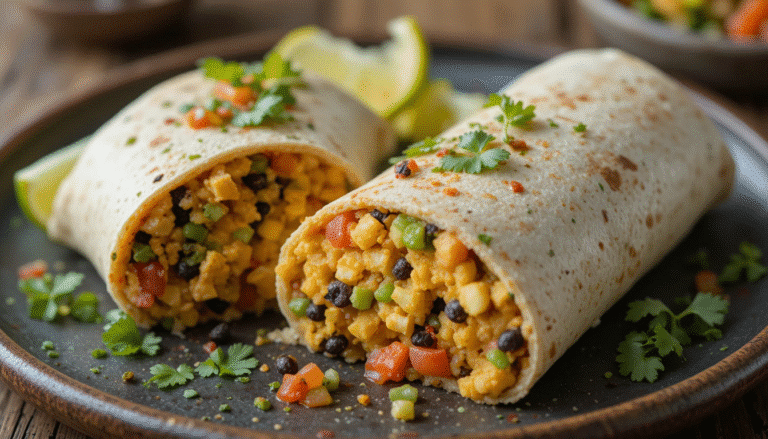
For meal prep, make double batches and freeze half for future easy dinners. Portion leftovers into individual servings for quick lunches throughout the week. Scalloped potatoes also repurpose beautifully – use leftovers as filling for shepherd’s pie, mix into breakfast hash, or layer into breakfast burritos for creative leftover transformations.
Common Mistakes to Avoid
Slicing Potatoes Unevenly: Inconsistent thickness causes some slices to overcook and turn mushy while others remain undercooked and hard. Take time to slice potatoes uniformly at ⅛-inch thickness using a mandoline or careful knife work. This single step dramatically improves the final texture and ensures every bite is perfectly tender.
Using Too-Thin Sauce: A watery sauce never properly thickens and results in soupy scalloped potatoes rather than creamy ones. Make sure your cashew cream sauce is thick and coats the back of a spoon before layering. The flour or cornstarch is essential for proper thickening. If your sauce seems too thin, blend in another tablespoon of flour before using.
Not Pressing Down Layers: Failing to compress the layers means sauce doesn’t penetrate well and potatoes don’t cook evenly. After arranging each layer, press down firmly with your hand or spatula to compact everything and help sauce get between potato slices. This creates better texture and helps flavors meld.
Skipping the Resting Period: Cutting into scalloped potatoes immediately after baking results in runny sauce and portions that fall apart. The 10-15 minute rest is crucial for the sauce to thicken and set up. Cover loosely with foil during resting to keep warm. This patience pays off with beautifully structured servings.
Baking at Wrong Temperature: Too-high heat causes the top to burn before potatoes cook through; too-low heat results in pale top and undercooked potatoes. The 375°F temperature is ideal for even cooking. If your oven runs hot or cool, adjust accordingly and use an oven thermometer for accuracy.
Not Covering for Initial Baking: Baking uncovered from the start causes the top to brown and crisp before the potatoes cook through, leaving you with burnt topping and crunchy potatoes. Always cover with foil for the first 45 minutes to trap steam and ensure tender potatoes.
Overfilling the Baking Dish: Overloading the dish causes overflow, messy oven cleanup, and prevents proper cooking. Leave at least ½ inch of space at the top of your baking dish. If you have extra ingredients, use a second smaller dish rather than cramming everything into one.
Shopping Guide
Potatoes are among the most economical ingredients available. A 5-pound bag of russet or Yukon Gold potatoes costs $3-5 and provides enough for two batches of scalloped potatoes. Buy whatever variety is on sale – all work well. Store potatoes in a cool, dark, dry place (not the refrigerator, which converts starches to sugars) in a paper bag or ventilated container. They last for weeks when stored properly.
Raw cashews are the most expensive ingredient but essential for authentic creaminess. Buy in bulk from warehouse stores, natural food stores, or online for best prices. A pound of raw cashews costs $8-12 (organic costs more) and makes about 4 batches of scalloped potatoes. Store cashews in the freezer in an airtight container to prevent rancidity – they last indefinitely when frozen.
Nutritional yeast costs $6-10 per container and lasts for many recipes. Find it in the natural foods section or bulk bins of most grocery stores. Bob’s Red Mill and Bragg are reliable brands. Store in an airtight container away from heat and light. Plant milk is affordable and widely available – buy whatever type you prefer, with store brands working just as well as expensive ones. A half-gallon costs $3-5.
Miso paste requires seeking out but lasts for months in the refrigerator. Find it in the refrigerated section near tofu or in the international aisle. White or yellow miso costs $4-7 per container and provides enough for many batches. It’s a worthwhile investment that enhances numerous vegan recipes beyond scalloped potatoes.
Panko breadcrumbs cost $2-4 per container and last for multiple recipes. Ensure they’re vegan (some brands contain dairy or eggs). Store-brand panko works fine and costs less. Regular breadcrumbs work in a pinch but won’t create as crispy a topping. Fresh herbs are optional but elevate the dish – a bundle of fresh thyme costs $2-3 at most grocery stores.
Nutritional Information (Per Serving)
- Prep Time: 30 minutes
- Cook Time: 70 minutes (45 minutes covered + 25 minutes uncovered)
- Total Time: 1 hour 40 minutes (including resting)
- Servings: 8 servings
- Calories: 245 kcal per serving
- Protein: 7g
- Carbohydrates: 38g
- Fat: 9g
- Fiber: 4g
- Sugar: 3g (naturally occurring)
- Sodium: 420mg
- Calcium: 45mg
- Iron: 2.8mg
- Vitamin C: 28mg
- Potassium: 680mg