The Ultimate Vegan Mac and Cheese Recipe
Introduction
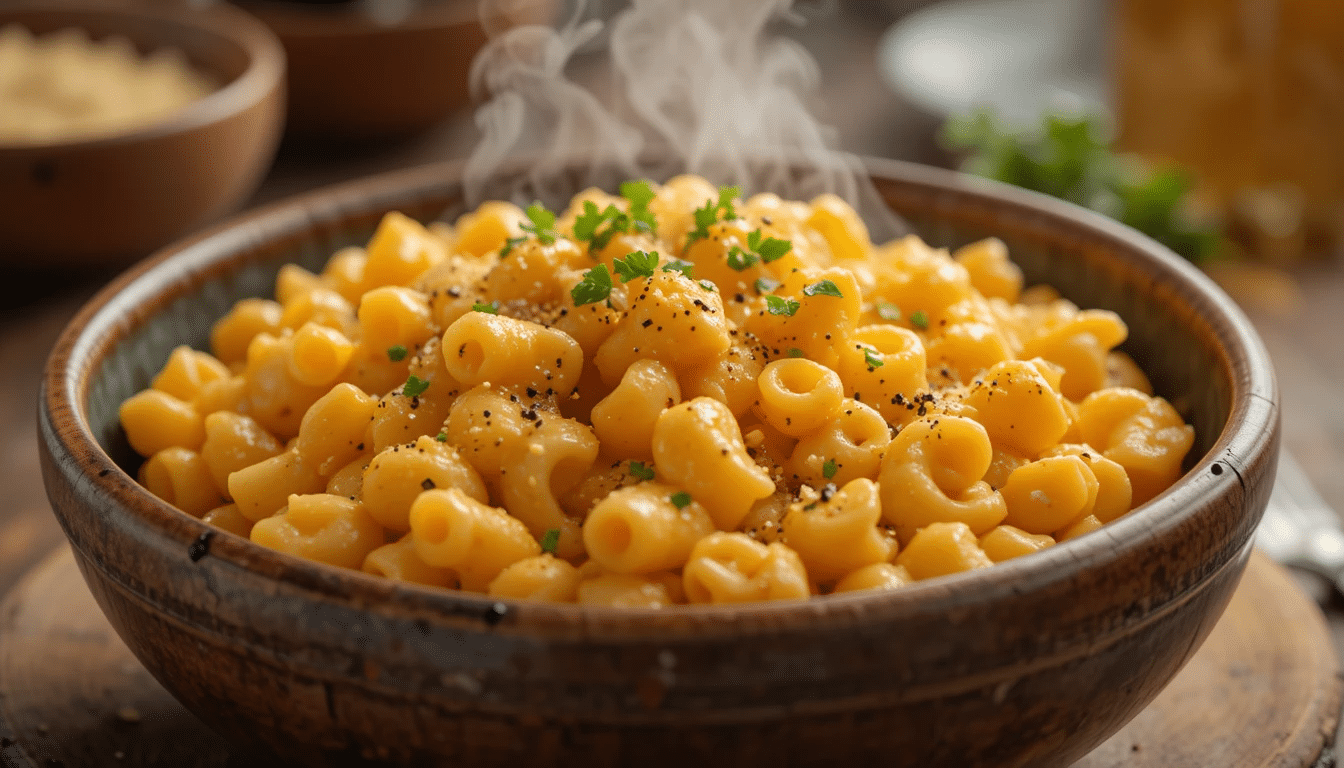
There’s something magical about a bowl of creamy, golden mac and cheese that brings instant comfort and nostalgia. The way that silky, cheesy sauce coats every curve of perfectly cooked pasta, creating the ultimate comfort food experience that warms you from the inside out. This vegan mac and cheese recipe delivers everything you crave from the classic dish – that rich, tangy cheese flavor, the luxuriously smooth sauce, the satisfying creaminess – all without any dairy whatsoever. It’s so decadent and delicious that even the most devoted cheese lovers won’t believe it’s completely plant-based.
What makes this recipe truly exceptional is how it captures that authentic cheese flavor and texture using wholesome, plant-based ingredients. The secret lies in a brilliant combination of cashews, nutritional yeast, and a few flavor-boosting seasonings that create a sauce so creamy and “cheesy” you’ll wonder why you ever needed dairy in the first place. Unlike store-bought vegan mac and cheese that can taste artificial or chalky, this homemade version is smooth, rich, and genuinely satisfying. Whether you’re cooking for vegan family members, trying to eat more plant-based meals, or simply looking for a healthier comfort food option, this recipe delivers restaurant-quality results every single time.
The beauty of this vegan mac and cheese is its versatility and crowd-pleasing appeal. Serve it as a main dish for dinner, bring it to potlucks where it disappears within minutes, pack it for lunch, or elevate it with add-ins like roasted vegetables or crispy breadcrumb topping. It reheats beautifully, making it perfect for meal prep, and it comes together in just 30 minutes using simple ingredients you might already have in your pantry. This is the vegan mac and cheese recipe you’ll make again and again, the one that converts skeptics and satisfies cravings every single time.
Cultural Background and Context
Macaroni and cheese has deep roots in American culinary history, though its origins trace back much further to Italy, where pasta and cheese have been paired for centuries. The dish gained prominence in America thanks to Thomas Jefferson, who encountered it during his travels to France and Italy in the late 1700s. So enamored was he with the dish that he brought back a pasta machine and served what many consider the first mac and cheese at a state dinner in 1802. By the 19th century, cookbooks featured “macaroni and cheese” recipes as a baked casserole, establishing it as proper home cooking.
The dish became truly democratized during the Great Depression when Kraft introduced its boxed Macaroni & Cheese Dinner in 1937 for just 19 cents. It promised an affordable, filling meal that could feed a family of four, and its popularity skyrocketed. During World War II, rationing made the inexpensive, shelf-stable meal even more appealing, and mac and cheese cemented its place as an American comfort food icon. Today, Americans consume over a million boxes of mac and cheese every single day, making it one of the most beloved dishes in the country.
Traditional mac and cheese relies heavily on dairy – butter, milk, and copious amounts of cheese – which made it off-limits for those following vegan diets. However, the rise of plant-based eating has sparked incredible innovation in recreating beloved comfort foods without animal products. Modern vegan mac and cheese proves that you don’t need dairy to achieve that creamy, tangy, satisfying cheese sauce. Using ingredients like cashews for creaminess, nutritional yeast for umami and cheese flavor, and spices like turmeric for color, plant-based cooks have perfected the art of dairy-free comfort food that honors the original while aligning with compassionate, health-conscious values.
Health Benefits
Heart-Healthy and Cholesterol-Free
Unlike traditional mac and cheese loaded with saturated fat and cholesterol from butter and cheese, this vegan version is completely cholesterol-free and contains primarily healthy unsaturated fats from cashews. These plant-based fats can actually help lower LDL (bad) cholesterol levels and reduce the risk of heart disease. One serving contains approximately 8-10g of fat, mostly from heart-healthy sources, compared to traditional mac and cheese which can contain 20-30g of saturated fat per serving. This makes vegan mac and cheese a genuinely healthier comfort food option that supports cardiovascular health.
Protein-Packed Plant Power
Cashews and nutritional yeast combine to create a surprisingly protein-rich sauce, with each serving delivering approximately 12-15g of plant-based protein. The pasta itself adds additional protein, especially if you choose whole grain or legume-based varieties. This protein content helps keep you satisfied longer, stabilizes blood sugar levels, and supports muscle maintenance and growth. Unlike animal proteins that can be inflammatory, plant proteins from nuts and fortified yeasts come with additional benefits like fiber and B vitamins.
Rich in B Vitamins
Nutritional yeast, the star ingredient that creates the cheesy flavor, is an exceptional source of B vitamins, particularly B12 when fortified. Many brands provide 100-600% of your daily B12 needs in just two tablespoons. B12 is crucial for energy production, nervous system health, red blood cell formation, and DNA synthesis. It’s one of the few nutrients that vegans must pay special attention to, making this fortified nutritional yeast a delicious and practical way to meet your needs. The sauce also provides B6, thiamine, riboflavin, and niacin – all essential for metabolism and energy.
Supports Digestive Health
The cashews in this recipe provide dietary fiber (approximately 3-4g per serving) that supports healthy digestion and feeds beneficial gut bacteria. Unlike dairy-based cheese sauce, which can cause digestive discomfort for the 65% of the global population with some degree of lactose intolerance, this vegan version is naturally lactose-free and easier to digest. The plant-based ingredients won’t cause the bloating, gas, or inflammation that dairy can trigger in sensitive individuals, making this a comfort food that actually feels comfortable.
Immune System Support
Cashews are rich in zinc, copper, and antioxidants that support immune function and help your body fight off infections. Just one serving of this vegan mac and cheese provides approximately 15-20% of your daily zinc needs and 25-30% of your copper requirements. These minerals work together to maintain healthy immune responses, wound healing, and cellular repair. The antioxidants in cashews, including vitamin E and selenium, protect your cells from oxidative damage caused by free radicals.
Anti-Inflammatory Properties
Plant-based diets are naturally anti-inflammatory, and this vegan mac and cheese contains none of the inflammatory compounds found in dairy products. Dairy can trigger inflammation in many people due to casein, lactose, or saturated fat content. By contrast, the whole food ingredients in this recipe – nuts, nutritional yeast, plant milk – provide anti-inflammatory compounds that can help reduce chronic inflammation linked to heart disease, arthritis, and other health conditions.
Supports Brain Health
Cashews contain healthy fats, magnesium, and antioxidants that support cognitive function and brain health. The monounsaturated fats help maintain healthy cell membranes in the brain, while magnesium supports neurotransmitter function and may help reduce anxiety and improve mood. Nutritional yeast’s B vitamins, particularly B6 and B12, are essential for neurotransmitter production and maintaining healthy nervous system function, supporting memory, focus, and mental clarity.
Calorie Information
One generous serving of vegan mac and cheese (about 1.5 cups) contains approximately 380-420 calories, depending on pasta choice and any add-ins. This is comparable to or slightly less than traditional mac and cheese, but with significantly better nutrition – more fiber, vitamins, minerals, and beneficial plant compounds. The combination of complex carbohydrates from pasta, protein from cashews and nutritional yeast, and healthy fats creates a balanced, satisfying meal that provides sustained energy without the post-meal crash often associated with heavy, dairy-laden comfort foods.
Ingredients
For the Vegan Mac and Cheese (Serves 4-6)
For the Pasta
- 1 pound (450g) elbow macaroni (or pasta shape of choice)
- 1 tablespoon salt (for pasta water)
- 2 tablespoons reserved pasta water
For the Cheese Sauce
- 1 cup (140g) raw cashews, soaked for 2-4 hours or boiled for 10 minutes
- 1½ cups (360ml) unsweetened plant-based milk (oat, soy, or almond)
- ⅓ cup (20g) nutritional yeast
- 2 tablespoons fresh lemon juice (about ½ lemon)
- 1 tablespoon white miso paste (or additional ½ teaspoon salt)
- 1 teaspoon garlic powder
- 1 teaspoon onion powder
- ½ teaspoon ground mustard (or 1 teaspoon Dijon mustard)
- ½ teaspoon smoked paprika
- ¼ teaspoon turmeric (for color)
- ½ teaspoon salt (or to taste)
- ¼ teaspoon black pepper
- Pinch of cayenne pepper (optional, for subtle heat)
For Optional Add-Ins
- 2 cups (300g) steamed broccoli florets
- 1 cup (150g) roasted cherry tomatoes
- 1 cup (140g) cooked peas
- 8 ounces (225g) crispy baked tofu, cubed
- ½ cup (75g) sautéed mushrooms
- 4 strips vegan bacon, crumbled
For Crispy Breadcrumb Topping (Optional)
- 1 cup (60g) panko breadcrumbs
- 2 tablespoons vegan butter, melted
- 2 tablespoons nutritional yeast
- ½ teaspoon garlic powder
- Pinch of salt
For Serving
- Fresh cracked black pepper
- Red pepper flakes
- Chopped fresh parsley or chives
- Extra nutritional yeast for sprinkling
Instructions
Step 1: Prepare Your Cashews
Begin by preparing your cashews, as they need to be softened to create that silky-smooth cheese sauce. You have two options: the long soak method or the quick boil method. For soaking, place 1 cup of raw cashews in a bowl, cover with water by at least 2 inches, and let sit for 2-4 hours at room temperature or overnight in the refrigerator. This softens them gradually and preserves their raw enzymes.
For the quick method (perfect when you’re short on time), place cashews in a small pot, cover with water, bring to a boil, then simmer for 10 minutes until tender. Drain thoroughly before using. Either method works beautifully – soaked cashews create a slightly creamier sauce, while boiled cashews blend just as smoothly with a very subtle difference in final texture.
Step 2: Cook Your Pasta to Perfection
Bring a large pot of water to a rolling boil – you want at least 4-5 quarts of water for a pound of pasta. Add 1 tablespoon of salt to the water; this is your only opportunity to season the pasta itself, so don’t skip it. The water should taste like the sea. Add your elbow macaroni (or pasta of choice) and stir immediately to prevent sticking. Cook according to package directions until al dente – usually 7-9 minutes.
The pasta should have a slight firmness when you bite into it, as it will continue cooking slightly when combined with the hot cheese sauce. Before draining, use a measuring cup or ladle to reserve at least ½ cup of the starchy pasta cooking water – this liquid gold helps thin the sauce to perfect consistency and helps it cling to the pasta. Drain the pasta in a colander but don’t rinse it; the starch helps the sauce adhere.
Step 3: Blend the Ultimate Cheese Sauce
While your pasta cooks, create your vegan cheese sauce. Add your drained, softened cashews to a high-speed blender along with 1½ cups plant-based milk, nutritional yeast, lemon juice, miso paste, garlic powder, onion powder, ground mustard, smoked paprika, turmeric, salt, black pepper, and cayenne if using. Secure the lid tightly (this will get smooth and can create pressure). Start blending on low speed, then gradually increase to high. Blend for 60-90 seconds until the sauce is completely smooth and silky with absolutely no graininess.
The sauce should be creamy and pourable, with a consistency similar to heavy cream or thin gravy. If your blender struggles, add a splash more plant milk to help it along. Scrape down the sides halfway through blending to ensure everything incorporates. Taste and adjust seasonings – you might want more nutritional yeast for cheesier flavor, more lemon juice for tang, or more salt to boost overall taste.
Step 4: Combine Pasta and Sauce
Return your drained pasta to the large pot (off the heat) or transfer to a large serving bowl. Pour the cheese sauce over the hot pasta and stir gently but thoroughly to coat every piece. The residual heat from the pasta will warm the sauce, creating that classic mac and cheese consistency. If the sauce seems too thick (it should generously coat the pasta but still be saucy), add reserved pasta water 1-2 tablespoons at a time, stirring between additions, until you reach your desired consistency.
The starch in the pasta water helps the sauce cling while loosening the texture. Keep in mind that the sauce will thicken as it sits, so err on the slightly saucier side. If you’re adding mix-ins like steamed broccoli, roasted tomatoes, or peas, fold them in now while everything is hot, distributing them evenly throughout.
Step 5: Optional Baked Version with Crispy Topping
For an elevated, baked mac and cheese with an irresistible crispy top layer, transfer your sauced pasta to a greased 9×13-inch baking dish. In a small bowl, combine panko breadcrumbs with melted vegan butter, nutritional yeast, garlic powder, and a pinch of salt. Mix until the breadcrumbs are evenly coated and clumpy. Sprinkle this mixture evenly over the mac and cheese, covering the entire surface.
Bake in a preheated 375°F (190°C) oven for 20-25 minutes until the top is golden brown and crispy and the edges are bubbling. The contrast between the crunchy topping and creamy pasta underneath is absolutely divine. Let it rest for 5 minutes before serving to allow the sauce to set slightly. This baked version is perfect for potlucks, holiday gatherings, or when you want to make it ahead and reheat.
Step 6: Serve Immediately
Vegan mac and cheese is best enjoyed hot and fresh when the sauce is at its creamiest. Portion into bowls or onto plates while still steaming. Garnish with a generous crack of fresh black pepper, a sprinkle of red pepper flakes if you like heat, and fresh chopped parsley or chives for a pop of color and freshness. You can also offer extra nutritional yeast at the table for those who want an extra cheesy boost.
The dish should be saucy, creamy, and coat your spoon with that signature mac and cheese consistency. If serving for guests, consider offering optional toppings on the side – crispy vegan bacon bits, sautéed mushrooms, or a drizzle of hot sauce – so everyone can customize their bowl. Serve immediately for the best texture and flavor experience.
Ingredient Deep Dive
Cashews
Cashews are the magical foundation of this cheese sauce, and choosing the right ones matters. Raw, unsalted cashews work best because they have a neutral, slightly sweet flavor that doesn’t interfere with the cheese seasonings. Roasted or salted cashews can work in a pinch, but you’ll need to adjust the salt in your recipe accordingly and the sauce may have a slightly nuttier taste. Cashew pieces are perfectly fine and often less expensive than whole cashews – since you’re blending them anyway, the shape doesn’t matter.
The key is ensuring they’re softened properly through soaking or boiling. If you have a weaker blender (not a high-speed model like Vitamix or Blendtec), soaking for the full 4 hours or even overnight creates cashews that blend more easily into silky smoothness. For those with nut allergies, you can substitute with sunflower seeds (hulled, raw), though the sauce will have a slightly different flavor and may turn greenish due to a natural reaction between sunflower seeds and baking soda – this doesn’t affect taste but looks less appetizing
Protein Boost Additions
Transform your vegan mac and cheese into a complete, protein-packed meal by incorporating plant-based proteins. Crispy baked tofu adds excellent texture contrast – press extra-firm tofu, cut into cubes, toss with cornstarch and seasonings, then bake at 400°F (200°C) for 25-30 minutes until golden and crispy. Fold the cubes into your mac and cheese just before serving so they stay crunchy.
Chickpeas make another fantastic addition; either use them straight from the can (drained and rinsed) or roast them with paprika and garlic powder for extra flavor and crunch. White beans, butter beans, or cannellini beans add creaminess and blend seamlessly into the dish. For a meatier texture, crumbled tempeh or vegan ground “beef” creates a hearty, satisfying version perfect for feeding hungry teenagers or athletes. You can also add cooked lentils – especially red lentils which become soft and almost disappear into the sauce, boosting protein without changing texture.
Spicy and Smoky Variations
Take your mac and cheese in a bolder direction with heat and smoke. For jalapeño mac and cheese, sauté diced fresh jalapeños (seeds removed for less heat, kept for more) in a pan until softened, then mix into your cheese sauce. Add pickled jalapeños for tangy heat that cuts through the creaminess. Create buffalo mac and cheese by whisking ¼-⅓ cup of buffalo sauce into your cheese sauce and topping with vegan ranch drizzle and crumbled vegan bacon. For smoky barbecue mac, stir in 2-3 tablespoons of your favorite barbecue sauce and add smoked paprika.
Chipotle mac and cheese uses 1-2 minced chipotle peppers in adobo sauce blended into the cheese sauce for smoky, complex heat. Hot sauce lovers can add sriracha, Louisiana hot sauce, or harissa to taste. Smoked Gouda-style mac uses extra smoked paprika and a tiny bit of liquid smoke. Cajun-spiced mac incorporates Cajun seasoning blend with andouille-style vegan sausage and diced bell peppers.
Serving Suggestions
Vegan mac and cheese shines as a versatile dish suitable for any occasion and meal type. As a comforting main course for dinner, serve generous bowls alongside a crisp green salad with tangy vinaigrette to balance the richness, and warm, crusty bread perfect for soaking up any extra cheese sauce. Add a side of roasted Brussels sprouts or green beans for a complete, satisfying meal that feels both indulgent and balanced. For family dinners, let everyone customize their bowl with a toppings bar featuring vegan bacon bits, hot sauce, nutritional yeast, breadcrumbs, and fresh herbs.
This mac and cheese excels as the ultimate comfort food for cozy nights. Curl up on the couch with a big bowl, your favorite blanket, and a movie for the perfect evening. It’s also an excellent meal prep option – pack individual portions in containers with a side of veggies and protein for easy grab-and-go lunches throughout the week. The creamy sauce reheats beautifully in the microwave (add a splash of plant milk if needed) or on the stovetop over low heat.
For entertaining and gatherings, vegan mac and cheese is a guaranteed crowd-pleaser that appeals to vegans and non-vegans alike. Bake it in a casserole dish with breadcrumb topping for an impressive potluck contribution that always gets emptied. It pairs wonderfully with barbecue dishes, making it perfect for cookouts alongside vegan burgers, grilled vegetables, and coleslaw. Serve it at holiday gatherings as a rich, comforting side dish that satisfies everyone. For kids’ parties or casual get-togethers, set up a mac and cheese bar with various mix-ins and toppings so guests can build their perfect bowl. The dish also works beautifully as part of a comfort food buffet with other favorites like vegan meatballs, roasted vegetables, and garlic bread.
Variations
Truffle Mac and Cheese
Elevate your mac and cheese to restaurant-worthy elegance by stirring in 1-2 teaspoons of truffle oil after combining the pasta and sauce. The earthy, luxurious aroma of truffle transforms this comfort food into something sophisticated enough for dinner parties. Top with sautéed wild mushrooms, crispy shallots, and fresh thyme for a gourmet presentation. This variation pairs beautifully with a glass of white wine and makes an impressive side dish for holiday meals.
Pesto Mac and Cheese
Blend ⅓-½ cup of fresh basil pesto (use vegan pesto or make your own with basil, pine nuts, garlic, nutritional yeast, olive oil, and lemon juice) into your cheese sauce for a bright, herbaceous twist. The basil adds freshness that cuts through the richness, while the garlic provides extra flavor dimension. Top with halved cherry tomatoes and toasted pine nuts. This green-hued version is stunning and perfect for spring and summer gatherings.
Loaded “Baked Potato” Mac
Channel the flavors of a loaded baked potato by mixing in crispy vegan bacon bits, sautéed green onions, and steamed broccoli. Serve topped with vegan sour cream, extra green onions, and a sprinkle of paprika. For extra indulgence, fold in some roasted potato cubes. This hearty variation is incredibly filling and satisfying, perfect for cold winter nights.
Sun-Dried Tomato and Spinach Mac
Stir in ½ cup chopped oil-packed sun-dried tomatoes and 2 cups fresh spinach into your hot mac and cheese. The spinach will wilt from the residual heat while the sun-dried tomatoes add intense, sweet-tart flavor and chewy texture. Add Italian herbs like oregano and basil for a Mediterranean-inspired dish. This version adds vegetables seamlessly while boosting flavor and nutrition.
Everything Bagel Mac
Top your mac and cheese with everything bagel seasoning for an addictive, trendy twist. Mix the seasoning into breadcrumbs for the topping if baking, or simply sprinkle generously over the finished dish. The combination of sesame seeds, poppy seeds, garlic, onion, and salt adds incredible flavor and crunch. Serve with vegan cream cheese dollops stirred in for extra richness that mimics lox and schmear flavors.
Southwestern Mac and Cheese
Transform your mac into a Tex-Mex feast by adding black beans, corn, diced green chiles, cumin, and chili powder to the cheese sauce. Top with crushed tortilla chips, diced avocado, fresh cilantro, and a squeeze of lime. Serve with salsa and vegan sour cream on the side. This festive variation is perfect for casual gatherings and game day spreads.
Storage and Meal Prep
Proper storage keeps your vegan mac and cheese delicious for days, making it an excellent meal prep option. Allow the mac and cheese to cool to room temperature before storing (leaving it out for more than 2 hours at room temperature can allow bacteria growth, so refrigerate within this window). Transfer to airtight containers and refrigerate for up to 5 days. The sauce will thicken considerably in the refrigerator as the starches set and the cashews firm up – this is completely normal and doesn’t affect quality.
When reheating, you’ll need to restore the creamy consistency. For stovetop reheating, place mac and cheese in a pot over medium-low heat, add 2-4 tablespoons of plant milk per serving, and stir frequently until heated through and the sauce loosens. This method gives you the most control over texture. For microwave reheating, place a single portion in a microwave-safe bowl, add 1-2 tablespoons of plant milk, cover loosely (to prevent drying out), and heat in 1-minute intervals, stirring between each, until hot throughout. The sauce should regain its creamy consistency with the added liquid and heat.
For meal prep success, cook pasta slightly more al dente than usual since it will soften during storage and reheating. Prepare the cheese sauce separately and store in a different container from the pasta, then combine portions as needed throughout the week for the freshest taste and texture. This prevents the pasta from absorbing too much sauce and becoming mushy. You can also prep individual portions in meal prep containers with separate compartments for sauce and pasta, plus spaces for vegetables or protein add-ins.
Vegan mac and cheese freezes reasonably well for up to 2 months, though the texture changes slightly upon thawing. To freeze, portion into freezer-safe containers or bags, removing as much air as possible. Label with the date and freeze flat for space-saving storage. Thaw overnight in the refrigerator, then reheat with extra plant milk as directed above. The sauce may separate slightly after freezing; whisking vigorously while reheating usually brings it back together. For best results, freeze the cheese sauce separately from pasta, then cook fresh pasta when ready to serve.
Common Mistakes to Avoid
Not Soaking or Boiling Cashews Properly
The single most common mistake is trying to blend hard, unsoaked cashews, which results in grainy, gritty sauce instead of silky smoothness. Even high-speed blenders struggle with raw cashews that haven’t been softened. Always soak for at least 2 hours (4 is better) or boil for 10 minutes. If you’re short on time and forgot to soak, the boiling method works perfectly – it just takes 10 minutes and your cashews will be perfectly soft. Drain them thoroughly before blending to avoid watering down your sauce.
Using Expired or Insufficient Nutritional Yeast
Nutritional yeast is what creates that cheesy flavor, so skimping on it or using old, stale nutritional yeast that’s lost its potency will result in bland mac and cheese. Use the full ⅓ cup called for in the recipe – it seems like a lot but it’s necessary for that authentic cheese taste. Fresh nutritional yeast should smell pleasantly nutty and cheesy; if it smells musty or off, replace it. Store nutritional yeast properly in an airtight container away from heat and light.
Overcooking the Pasta
Pasta continues cooking when combined with hot sauce, so cooking it to fully done results in mushy mac and cheese, especially after reheating. Always cook to al dente (follow package time minus 1 minute), and test a piece before draining – it should have a slight firmness when you bite it. The residual heat from the cheese sauce will finish cooking the pasta to perfect tenderness. This is especially important if you’re baking the mac and cheese afterward.
Making the Sauce Too Thick or Too Thin
The sauce consistency dramatically affects the final dish. Too thick and your mac and cheese will be dry and gluey; too thin and it won’t coat the pasta properly and will pool in the bottom of the bowl. The sauce should be pourable but coat the back of a spoon – similar to heavy cream consistency. Remember that it thickens as it cools and when combined with starchy pasta, so err slightly on the thinner side. Always reserve pasta water to adjust consistency as needed.
Forgetting to Season Properly
Cashews and nutritional yeast provide flavor, but without proper seasoning (salt, lemon juice, mustard, miso), your cheese sauce will taste flat and one-dimensional. Don’t skip ingredients like lemon juice (adds brightness and tang like real cheese) or miso paste (adds depth and umami). Always taste your sauce before mixing with pasta and adjust seasonings. It should taste boldly flavored on its own – slightly more intense than you want the final dish to be, since the pasta will dilute it.
Not Using a High-Speed Blender
While it’s possible to make this sauce in a regular blender or food processor, a high-speed blender (Vitamix, Blendtec, or similar) creates infinitely smoother, creamier results. Regular blenders may leave tiny cashew particles that create a slightly grainy texture. If using a regular blender, soak cashews longer (4+ hours), blend in very small batches, and blend for at least 2-3 minutes until absolutely smooth, stopping to scrape down sides several times.
Letting it Sit Too Long Before Serving
Vegan mac and cheese is best enjoyed immediately while the sauce is at its creamiest and the pasta is hot. As it sits, the pasta absorbs sauce and everything thickens considerably. If making ahead, undercook the pasta slightly and make the sauce a bit looser than desired. Store separately if possible and combine just before serving, or plan to add plant milk when reheating to restore that creamy, saucy consistency everyone loves.
Shopping Guide
Most ingredients for vegan mac and cheese are available at standard grocery stores, though you may need to visit the natural foods section for a few items. For pasta, any shape works beautifully – classic elbow macaroni is traditional, but shells, rotini, cavatappi, or penne all hold sauce wonderfully. Choose regular, whole grain, or legume-based pasta depending on your preferences and nutritional goals. Barilla, Banza (chickpea pasta), and Jovial are excellent brands. Stock up when they’re on sale as dried pasta keeps for years in the pantry.
Raw cashews are available in most grocery stores in the baking aisle, natural foods section, or bulk bins. Buying in bulk is often most economical, especially if you plan to make this recipe regularly. Trader Joe’s and Costco offer excellent prices on raw cashews. Look for unsalted, raw cashews specifically – roasted or salted varieties will affect your sauce flavor. Cashew pieces are fine since you’re blending them anyway. Store cashews in an airtight container in the pantry for 3-4 months, or refrigerate/freeze for up to a year.
Nutritional yeast is typically found in the natural foods section, baking aisle, or bulk bins. Bragg, Bob’s Red Mill, and Anthony’s are widely available brands that consistently deliver good flavor and are fortified with B12. A large container (up to 8 ounces or more) is worthwhile since you’ll use 2-3 tablespoons per batch and it stores well for up to two years in a sealed container in a cool, dark place. Some stores sell nutritional yeast in small shaker containers in the spice aisle, but these are usually much more expensive per ounce.
For plant-based milk, choose unsweetened, unflavored varieties for best results. Oat milk (Oatly, Planet Oat, or Califia Farms) is highly recommended for the creamiest texture. Soy milk (Silk, Westsoy) provides good body and neutral flavor. Almond milk (Califia Farms, Blue Diamond Almond Breeze) works well too. Buy in shelf-stable cartons for longer storage or refrigerated versions if you’ll use them quickly.