Vegan Overnight Oats – Effortless, Healthy & Meal Prep Friendly
Introduction
Imagine waking up to a delicious, nutritious breakfast that’s already waiting for you in the fridge – no cooking, no morning stress, just grab and go. That’s the magic of vegan overnight oats. This simple breakfast solution transforms humble rolled oats into a creamy, satisfying meal while you sleep. By morning, you have a perfectly textured, naturally sweet breakfast that’s both nourishing and delicious. It’s the ultimate answer for busy mornings when you want something healthy but have zero time to cook.
What makes overnight oats truly special is their incredible versatility and convenience. Using just a handful of basic ingredients – oats, plant milk, and your choice of sweetener – you create a blank canvas for endless flavor combinations. Add fresh fruit, nuts, seeds, nut butter, chocolate, or spices to create new variations every day of the week. The oats soften overnight as they absorb the liquid, creating a texture similar to pudding but with more substance. The result is creamy, filling, and naturally energizing without any morning effort.
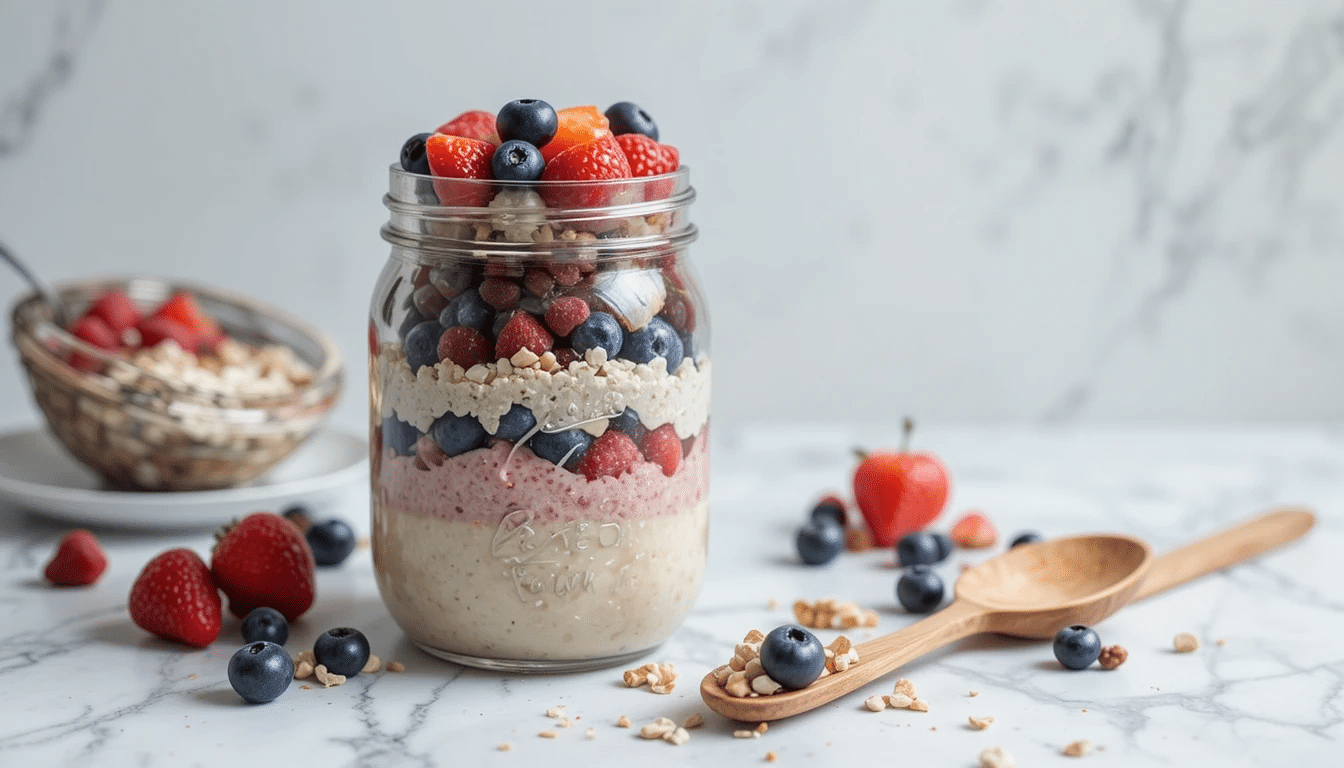
The beauty of this recipe lies in its simplicity and adaptability. Make one serving or prep an entire week’s worth in just 10 minutes on Sunday evening. Store them in mason jars for Instagram-worthy presentation or simple containers for practicality. Eat them cold straight from the fridge, warm them briefly in the microwave, or enjoy them at room temperature. Whether you’re rushing to work, need a post-workout meal, or want a healthy snack, overnight oats deliver nutrition and satisfaction every single time.
Cultural Background and Context
Oats have been a dietary staple for thousands of years, originally cultivated in ancient civilizations across Europe and Asia. Traditional oatmeal preparation required cooking – either on the stovetop or as porridge over fire – making it a warm, comforting breakfast particularly popular in colder climates. Scottish porridge and Irish oatmeal became cultural icons, often served with simple toppings like salt, butter, or honey. In America, quick oats and instant oatmeal gained popularity in the 20th century as convenient alternatives to traditional slow-cooked oats.
The overnight oats trend emerged in the early 2000s, inspired by Swiss Bircher muesli – a dish created in 1900 by Swiss physician Maximilian Bircher-Brenner for his hospital patients. He soaked raw oats overnight with grated apple, nuts, and condensed milk, believing raw foods had healing properties. Modern overnight oats simplify this concept, eliminating cooking entirely while creating a fresh, contemporary breakfast that fits perfectly into today’s meal-prep culture. The rise of social media, particularly Instagram and Pinterest, exploded overnight oats’ popularity as people shared colorful, creative combinations in aesthetically pleasing mason jars. What was once a health-food niche has become a mainstream breakfast staple embraced by everyone from busy professionals to fitness enthusiasts.
Health Benefits
Sustained Energy Release: Overnight oats provide complex carbohydrates that digest slowly, releasing energy steadily throughout your morning. Unlike sugary cereals or pastries that cause blood sugar spikes and crashes, oats contain beta-glucan fiber that slows digestion and maintains stable blood sugar levels. This sustained energy helps you stay focused and productive for hours, making overnight oats ideal for busy mornings or pre-workout fuel.
Heart Health Powerhouse: The soluble fiber in oats, particularly beta-glucan, has been proven to lower LDL (bad) cholesterol levels significantly. Studies show that eating 3 grams of oat beta-glucan daily (found in about ¾ cup dry oats) can reduce cholesterol by 5-10%, decreasing heart disease risk. The FDA even allows oats to carry a heart-health claim due to this powerful benefit. Regular consumption of oats also helps reduce blood pressure and inflammation.
Digestive Health Support: Oats are rich in both soluble and insoluble fiber, promoting healthy digestion and regular bowel movements. The prebiotic fiber in oats feeds beneficial gut bacteria, supporting a healthy microbiome essential for overall health. One serving of overnight oats provides approximately 4-6 grams of fiber (15-24% of daily needs), helping you feel fuller longer and supporting healthy weight management. This fiber also helps prevent constipation and promotes colon health.
Blood Sugar Management: Despite containing carbohydrates, oats have a low glycemic index (GI of 55), meaning they won’t spike blood sugar levels. The beta-glucan fiber forms a gel-like substance in your digestive tract, slowing the absorption of glucose into your bloodstream. This makes overnight oats an excellent breakfast choice for people with diabetes or anyone watching their blood sugar. Adding protein-rich toppings like nuts or seeds further improves blood sugar control.
Nutrient-Dense Superfood: Oats are packed with essential vitamins and minerals including manganese (helps bone health and metabolism), phosphorus (supports bone and teeth health), magnesium (aids muscle and nerve function), copper (essential for red blood cell formation), iron (prevents anemia), zinc (supports immune function), and B vitamins (provide energy). They also contain powerful antioxidants called avenanthramides that are unique to oats and have anti-inflammatory and anti-itching properties.
Weight Management Support: The high fiber and protein content in overnight oats (approximately 5g protein and 4g fiber per serving) promotes feelings of fullness and satiety. This helps reduce overall calorie intake throughout the day by preventing mid-morning hunger and snacking. Studies show that eating oatmeal for breakfast leads to greater fullness and reduced calorie consumption at lunch compared to ready-to-eat breakfast cereals with the same calorie content.
Skin and Beauty Benefits: Oats contain compounds that have anti-inflammatory and antioxidant properties beneficial for skin health. The avenanthramides in oats help reduce itching and inflammation, which is why colloidal oatmeal is often used in skincare products. Eating oats regularly provides these benefits from the inside out, supporting healthy, glowing skin. The zinc and other minerals in oats also support hair and nail health.
Calorie and Macronutrient Information: One serving of basic overnight oats (made with ½ cup dry oats and 1 cup plant milk) contains approximately 300-350 calories, providing a moderate-calorie breakfast that’s satisfying without being heavy. The macronutrient breakdown includes roughly 50-55g carbohydrates, 8-10g protein, and 8-12g fat (depending on milk choice and toppings), creating a reasonably balanced meal that sustains you through busy mornings.
Ingredients
For Basic Vegan Overnight Oats (Makes 1 serving):
Base Ingredients:
- ½ cup (45g) rolled oats (old-fashioned oats, not instant)
- ½ cup (120ml) unsweetened plant-based milk (almond, oat, soy, or coconut)
- ½ cup (120ml) additional plant milk or water (for creamier texture)
- 1 tablespoon chia seeds or ground flaxseed
- 1 tablespoon maple syrup, agave, or 2-3 pitted dates
- ½ teaspoon vanilla extract
- Pinch of salt
For Popular Flavor Variations:
Chocolate Peanut Butter:
- 1 tablespoon cocoa powder
- 1 tablespoon peanut butter or almond butter
- 1 tablespoon vegan chocolate chips
Berry Bliss:
- ½ cup mixed fresh or frozen berries (blueberries, strawberries, raspberries)
- 1 teaspoon lemon zest
- 1 tablespoon hemp seeds
Apple Cinnamon:
- ½ cup grated or diced apple
- ½ teaspoon ground cinnamon
- ¼ teaspoon nutmeg
- 2 tablespoons chopped walnuts or pecans
Tropical Paradise:
- ¼ cup diced mango or pineapple
- 2 tablespoons shredded coconut
- 1 tablespoon macadamia nuts or cashews
- Coconut milk as the liquid base
Banana Bread:
- ½ mashed ripe banana
- ¼ teaspoon cinnamon
- 2 tablespoons chopped walnuts
- 1 tablespoon raisins or chocolate chips
For Toppings (Add Before Serving):
- Fresh fruit (berries, banana slices, apple, mango, kiwi)
- Nuts and seeds (almonds, walnuts, pecans, pumpkin seeds, sunflower seeds)
- Nut or seed butter (almond, peanut, cashew, tahini, sunflower seed butter)
- Coconut flakes or shredded coconut
- Cacao nibs or vegan chocolate chips
- Granola for crunch
- Dried fruit (raisins, cranberries, goji berries, dates)
- Fresh mint leaves
- Drizzle of maple syrup or agave
For Protein Boost:
- 1 scoop vanilla or unflavored vegan protein powder
- 2 tablespoons hemp hearts
- 2 tablespoons ground flaxseed or chia seeds
- 2 tablespoons nut butter
Instructions
Step 1: Choose Your Container
Select a jar, container, or bowl with a tight-fitting lid that holds at least 2 cups (480ml). Mason jars are popular because they’re portable, seal well, and look beautiful, making your breakfast Instagram-worthy. Glass or plastic containers with lids work equally well – just ensure they seal tightly to prevent spills and keep your oats fresh. If making multiple servings for meal prep, line up several containers and prepare them assembly-line style for maximum efficiency.
Step 2: Combine Base Ingredients
Add the rolled oats, chia seeds or ground flaxseed, and a pinch of salt to your chosen container. These dry ingredients create the foundation of your overnight oats. The chia seeds or flaxseed aren’t just nutritional powerhouses – they also help thicken the mixture and create that perfect creamy texture. Use old-fashioned rolled oats, not instant oats (which become mushy) or steel-cut oats (which stay too chewy). The rolled oats provide the ideal texture – soft yet still with a pleasant bite.
Step 3: Add Liquid and Sweetener
Pour in your plant-based milk, ensuring it completely covers the oats. Add your sweetener of choice – maple syrup for rich flavor, agave for mild sweetness, or blended dates for natural, whole-food sweetness. Add the vanilla extract for depth of flavor that elevates the entire dish. The ratio of liquid to oats is important: use 1:1 for thicker, spoonable oats, or up to 1:2 for pourable, thinner consistency. You can always add more liquid in the morning if needed, but you can’t remove it, so start conservative.
Step 4: Add Your Flavor Mix-Ins
Now’s the time to add any flavor-specific ingredients from your chosen variation. Cocoa powder, nut butter, spices, grated apple, mashed banana, or other mix-ins go in now. These ingredients need time to meld with the oats and develop their flavors overnight. Reserve fresh fruit, nuts, and crunchy toppings for morning – adding them now will make them soggy. If using frozen berries, you can add them now as they’ll thaw overnight and create a beautiful, naturally colored mixture.
Step 5: Mix Thoroughly
Using a spoon or small whisk, stir all ingredients together vigorously for 20-30 seconds, ensuring the oats are completely submerged in liquid and everything is well combined. Scrape down the sides to incorporate any dry oats stuck to the container. This mixing is crucial – dry pockets of oats won’t soften properly overnight. Make sure the chia seeds or flaxseed are evenly distributed rather than clumped together. The mixture will look soupy at this stage, which is exactly right.
Step 6: Seal and Refrigerate
Secure the lid tightly on your container and place it in the refrigerator. The oats need at least 4 hours to soften properly, but overnight (8-12 hours) produces the best texture. During this time, the oats absorb the liquid, chia seeds swell and create thickness, and all the flavors meld together beautifully. The cold temperature is important – don’t try to speed the process at room temperature, as this can promote bacterial growth. You can prepare overnight oats up to 5 days in advance for easy meal prep.
Step 7: Give a Morning Stir
In the morning, remove your overnight oats from the refrigerator and give them a good stir. The mixture will have thickened considerably as the oats absorbed the liquid. Check the consistency – if it’s too thick for your preference, add a splash of plant milk and stir until you reach your desired texture. If it seems too thin (which is rare), let it sit for 5-10 more minutes and the oats will continue absorbing liquid. The texture should be creamy and thick, similar to yogurt or pudding, but still spoonable.
Step 8: Add Fresh Toppings
This is where overnight oats become a work of art. Add your fresh fruit, arranging it beautifully on top. Sprinkle with nuts, seeds, coconut, or granola for crunch and visual appeal. Drizzle with nut butter or maple syrup if desired. The contrast of creamy oats with crunchy toppings creates the perfect textural experience. Get creative with your presentation – concentric circles of berries, artistic nut butter drizzles, or colorful fruit patterns make breakfast feel special and boost your mood.
Step 9: Serve Cold or Warm
Overnight oats are traditionally enjoyed cold straight from the fridge, which is refreshing and convenient. However, you can also warm them if you prefer hot breakfast. Transfer to a microwave-safe bowl and heat for 45-60 seconds, stirring halfway through, until warmed to your liking. You can also warm them on the stovetop over low heat, stirring frequently and adding a splash of milk if needed. Warming changes the texture slightly, making them more like traditional oatmeal while maintaining the convenience of no-cook prep.
Step 10: Enjoy Your Creation
Grab a spoon and dig into your delicious, nutritious, no-cook breakfast! The beauty of overnight oats is that you can eat them straight from the jar while commuting, at your desk, or sitting down for a proper breakfast. No plates, minimal cleanup, maximum nutrition. Take your time enjoying the creamy texture, the bursts of flavor from your mix-ins, and the satisfying crunch from your toppings. Feel good knowing you’re starting your day with a wholesome, balanced meal that required minimal effort.
Ingredient Deep Dive
The type of oats you use dramatically affects the final result. Rolled oats (also called old-fashioned oats) are the gold standard for overnight oats – they’re steamed and rolled flat, which allows them to absorb liquid perfectly while maintaining a pleasant, slightly chewy texture. Quick oats are more processed and become mushy when soaked overnight, losing structural integrity. Steel-cut oats are too dense and remain crunchy and hard even after overnight soaking – they require cooking. Instant oats dissolve almost completely, creating an unappealingly gluey texture. Always choose rolled oats for the best overnight oats experience. If you need gluten-free oats, look for certified gluten-free labels, as regular oats are often cross-contaminated with wheat during processing.
Plant milk choice significantly impacts both flavor and texture. Oat milk creates the creamiest overnight oats with subtle natural sweetness that complements any flavor combination. Its thickness mimics dairy perfectly. Soy milk provides the most protein (7-9g per cup) and creates rich, substantial overnight oats. Almond milk is lighter with fewer calories, producing thinner overnight oats with a subtle nutty flavor. Coconut milk (from a carton) adds tropical sweetness and medium creaminess. Cashew milk creates ultra-creamy results with neutral flavor. For thickest, richest overnight oats, use full-fat coconut milk from a can mixed with water (half and half), though this increases calories significantly. You can also mix milks – half oat, half almond – to balance flavor and nutrition.
Chia seeds versus flaxseed is an important consideration. Chia seeds create a pudding-like thickness, add omega-3 fatty acids, and contribute 4g fiber and 2g protein per tablespoon. They’re also rich in calcium and antioxidants. The seeds swell to 10-12 times their original size when soaked, creating that signature overnight oats texture. Ground flaxseed (always use ground, not whole, for nutrient absorption) provides similar omega-3s and fiber with a nuttier flavor. It doesn’t create quite as much thickness but adds a pleasant texture. Hemp hearts offer another option – they don’t thicken but add 3g protein and healthy fats per tablespoon with a mild, nutty flavor. You can also combine them – 1½ teaspoons each of chia and flax – for maximum nutritional benefit.
Customization Options
High-Protein Variations
Transform your overnight oats into a protein-packed meal perfect for post-workout recovery or keeping you satisfied for hours. Add one scoop of vanilla or chocolate vegan protein powder directly to the base recipe, reducing the plant milk slightly (use ¾ cup instead of 1 cup) since protein powder absorbs liquid. Mix in 2 tablespoons of hemp hearts for an additional 6g protein and complete amino acid profile. Top with 2 tablespoons nut butter for another 7-8g protein. This combination can push your overnight oats to 25-30g protein per serving, making them comparable to a protein shake but infinitely more satisfying and nutritious.
Low-Sugar Options
For those watching sugar intake or managing blood sugar, overnight oats can be made with minimal added sweeteners. Skip the maple syrup or dates entirely and rely on naturally sweet additions like mashed banana, grated apple, or a handful of berries for sweetness. Use cinnamon, vanilla extract, or almond extract generously to enhance perceived sweetness without adding sugar. Unsweetened coconut flakes add natural sweetness and flavor. Stevia or monk fruit sweetener can replace traditional sweeteners if desired. The oats themselves have natural sweetness, especially when allowed to sit overnight, so you may find you need less sweetener than expected.
Serving Suggestions
Overnight oats are incredibly versatile and can be enjoyed in numerous ways beyond the basic jar. Layer them in a parfait glass alternating with vegan yogurt and fresh fruit for an elegant presentation perfect for brunch guests or special occasions. The visual appeal of colorful layers makes breakfast feel like a celebration. Create an overnight oats bowl by transferring your oats to a wide, shallow bowl and arranging toppings artistically across the surface – concentric circles of fruit, strategic nut butter drizzles, and scattered seeds create an Instagram-worthy masterpiece.
For a heartier meal, use overnight oats as the base for a breakfast bowl loaded with substantial toppings. Add sliced avocado, hemp hearts, pumpkin seeds, fresh berries, and a drizzle of almond butter for a balanced meal with healthy fats, protein, and complex carbohydrates. This combination provides sustained energy for hours and feels more like a complete meal than simple oats. During warmer months, serve overnight oats topped with refreshing ingredients like kiwi, pineapple, coconut, and a squeeze of lime for a tropical breakfast that feels like vacation.
Pair overnight oats with complementary beverages to round out your meal. Green smoothies or fresh-pressed juice add vitamins and hydration. Coffee or matcha latte provides caffeine alongside your sustained-energy breakfast. Herbal tea offers a gentle, calming start to your day. For special occasions, mimosas or bellinis make overnight oats feel brunch-worthy. The portability of overnight oats means you can enjoy them anywhere – at your desk, in the car, at the gym, or during your morning commute. Just bring a spoon and you’re set.
Variations
The flavor possibilities for overnight oats are truly endless, limited only by imagination. Create pumpkin pie overnight oats by mixing 3 tablespoons pumpkin puree, ½ teaspoon pumpkin pie spice, and a tablespoon of maple syrup into the base recipe. Top with pecans and a drizzle of maple syrup for fall perfection. Make lemon blueberry overnight oats by adding 1 teaspoon lemon zest and ½ cup frozen blueberries to the jar. The berries thaw overnight, creating a beautiful purple color and burst of fresh flavor.
Try peanut butter and jelly overnight oats by swirling 1 tablespoon peanut butter through the oats and topping with fresh strawberries or raspberry chia jam in the morning. This nostalgic combination tastes like your favorite childhood sandwich but provides adult nutrition. Create cookies and cream overnight oats by crushing 2-3 vegan chocolate sandwich cookies, stirring them into the base with a tablespoon of cocoa powder for an indulgent-tasting but still nutritious breakfast.
Make savory overnight oats for something completely different. Skip the sweetener and vanilla, add ½ teaspoon garlic powder, nutritional yeast, and a pinch of turmeric to the base. In the morning, top with sautéed vegetables, avocado, and hot sauce for a savory breakfast grain bowl. Carrot cake overnight oats combine grated carrot, cinnamon, nutmeg, raisins, and walnuts with maple sweetener for all the flavors of dessert in healthy breakfast form. Mocha overnight oats blend 1 tablespoon cocoa powder with 1 teaspoon instant espresso powder for coffee lovers who want their caffeine and breakfast combined.
Storage and Meal Prep
Overnight oats are the ultimate meal prep breakfast, and proper storage ensures they stay fresh and delicious all week. Prepare 5-7 servings on Sunday evening for grab-and-go breakfasts throughout the week. Assembled overnight oats stay fresh in the refrigerator for up to 5 days, making them perfect for weekly meal prep. Some people find oats that sit longer than 3 days become slightly thicker or mushier – combat this by adding a splash of plant milk each morning when you grab your jar.
Store overnight oats in individual serving containers with tight-fitting lids. Mason jars with metal screw-top lids are popular because they seal perfectly, look attractive, and are portable. Glass containers are preferred over plastic as they don’t absorb odors or stains and keep oats fresher. If using plastic, choose BPA-free food-grade containers. Write the preparation date and flavor on each container with removable labels or dry-erase marker to track freshness and identify flavors at a glance.
For best results, add certain toppings fresh each morning rather than preparing them 5 days in advance. Nuts, seeds, fresh fruit, and granola stay crunchier when added just before eating. However, frozen berries, nut butter swirls, and spices can be added during initial preparation as they benefit from time to meld with the oats. Store pre-portioned toppings in small containers alongside your prepared oats for easy assembly. This system allows you to customize each morning’s breakfast while maintaining meal prep convenience.
Common Mistakes to Avoid
Using Instant or Quick Oats: These processed oats turn to mush when soaked overnight, creating an unappealingly gummy texture. Always use old-fashioned rolled oats for the proper consistency. The extra processing that makes instant oats cook faster also makes them disintegrate when soaked, ruining your overnight oats experience.
Not Using Enough Liquid: Oats need adequate liquid to soften properly. Skimping on plant milk leaves you with crunchy, underhydrated oats that are difficult to eat. The minimum ratio is 1:1 (liquid to oats), but 2:1 creates creamier results. You can always add liquid in the morning if too thick, but starting with too little is a common mistake.
Skipping the Salt: A pinch of salt enhances all the flavors in your overnight oats and prevents them from tasting flat or bland. Salt is a flavor enhancer that brings out the natural sweetness of oats and any fruit or sweeteners you’ve added. This tiny addition makes a surprisingly big difference.
Adding All Toppings the Night Before: Nuts, granola, and fresh fruit become soggy when soaked overnight. Reserve crunchy toppings for the morning to maintain textural contrast. The only exceptions are frozen berries, which benefit from thawing overnight, and dried fruit, which softens nicely when soaked.
Not Giving Enough Time: While 4 hours is the minimum, overnight oats really shine after 8-12 hours of refrigeration. The oats need time to fully absorb liquid, chia seeds need time to thicken, and flavors need time to meld. Rushing the process results in crunchy oats and underdeveloped flavors.
Forgetting to Stir Before Refrigerating: Failing to mix thoroughly leaves dry pockets of oats that won’t soften and creates an inconsistent final product. Chia seeds or flaxseed can clump at the bottom if not properly stirred. Always mix well before refrigerating.
Using Too Much Sweetener: Oats are naturally mildly sweet, and fruit adds additional sweetness. Starting with 1 tablespoon of sweetener is plenty – you can always add more in the morning if needed. Oversweetening masks the delicate oat flavor and turns healthy breakfast into dessert.
Shopping Guide
Nearly all overnight oats ingredients are pantry staples available at any grocery store, making this an economical breakfast option. Rolled oats are found in the cereal or baking aisle. Buy the large canister or bulk bags for the best value – Bob’s Red Mill and Quaker are reliable brands, but store brands are equally good and often cheaper. A large canister costing $3-5 makes 15-20 servings of overnight oats, calculating to under $0.25 per serving for the base ingredient.
Plant-based milk is available in both refrigerated sections and shelf-stable aisles. Buy whatever type you prefer or is on sale – oat, almond, soy, and coconut milk all work beautifully. Store brands often cost $1-2 less than name brands with identical quality. Buying shelf-stable milk in bulk is economical if you have storage space. A half-gallon provides enough liquid for 8-10 servings of overnight oats.
Chia seeds are found in the baking aisle, natural foods section, or sometimes near spices and flavorings. Bob’s Red Mill, Nutiva, and Spectrum are quality brands, but again, store brands work perfectly. Buying in bulk from warehouse stores or the bulk bins at natural food stores provides the best value. A 12-ounce bag costing $6-8 lasts for months when using 1 tablespoon per serving. Store chia seeds in the refrigerator for longest freshness.
Maple syrup is the primary sweetener expense. Real maple syrup costs more than artificial “pancake syrup” but provides superior flavor and nutrition without additives. Look for Grade A Dark for robust flavor perfect for oatmeal. A bottle lasts for many weeks of overnight oats. Alternatively, Medjool dates provide natural sweetness without liquid sweetener – one pound of dates (about 25-30 dates) costs $5-8 and lasts for weeks of overnight oats preparation. For toppings, buy fresh fruit when in season for best prices and flavor, and frozen berries year-round for consistent, economical options.
Nutritional Information (Per Serving)
- Prep Time: 5 minutes
- Soaking Time: 8 hours (overnight)
- Total Time: 8 hours 5 minutes
- Servings: 1 serving (easily multiplied)
- Calories: 320 kcal (base recipe without toppings)
- Protein: 10g
- Carbohydrates: 52g
- Fat: 10g
- Fiber: 10g
- Sugar: 12g (from natural sources and added sweetener)
- Sodium: 120mg
- Calcium: 350mg (with fortified plant milk)
- Iron: 3mg